2026-10-12
Cinta de papel para paneles de yeso versus malla de fibra de vidrio: ¿Qué cinta gana en uniones y grietas?
Si está terminando paneles de yeso interiores estándar, la cinta de papel suele ser la mejor opción para uniones planas, esquinas interiores y ensamblajes resistentes al fuego. La cinta de malla de fibra de vidrio es más rápida para parches pequeños y reparaciones de baja tensión, pero no es un sustituto directo en todas las juntas. La decisión se reduce al tipo de junta, el movimiento del sustrato y el nivel de acabado que necesita. La cinta de papel para paneles de yeso es una tira de papel arrugada que se deposita en el compuesto para juntas y se convierte en parte de la superficie de la pared. La cinta de malla de fibra de vidrio es una tela de fibra de vidrio de tejido abierto con un respaldo adhesivo ligero; se pega al tablero antes de cubrirlo con compuesto. Ambos refuerzan la articulación, pero lo hacen de diferentes formas. La respuesta corta: ¿Qué cinta debería elegir? Elija cinta de papel para juntas a tope, juntas cónicas, esquinas interiores, techos y cualquier pared que deba cumplir con una clasificación contra incendios. Elija cinta de malla de fibra de vidrio para parches rápidos, reparaciones de grietas finas, agujeros pequeños y situaciones en las que la velocidad importa más que un acabado perfecto de Nivel 5. Ésa es la división práctica. La cinta de papel forma un puente de papel continuo cuando se incrusta en el compuesto, por lo que soporta el movimiento estacional normal y proporciona una superficie suave que se puede pintar. La cinta de malla agrega resistencia a la tracción rápidamente, pero su tejido abierto puede telegrafiarse a través de un compuesto delgado y puede tener problemas en juntas de alto movimiento o resistentes al fuego. Cómo se comportan la cinta de papel y la malla de fibra de vidrio en la pared Ambas cintas refuerzan las juntas de los paneles de yeso, pero fallan de diferentes maneras cuando la pared se mueve o el acabado es demasiado delgado. Cinta de papel: fuerte, suave y resistente al fuego La cinta de papel funciona porque está incrustada en un lecho de compuesto para juntas. El compuesto rellena la junta cónica, se presiona el papel y se sella con una capa superior. El papel se convierte en una capa de refuerzo que se mueve con el compuesto. Es la opción estándar para el acabado profesional de paneles de yeso porque produce una superficie plana y monolítica. La cinta de papel no es autoadhesiva, por lo que requiere una capa de protección. Ese paso extra es una desventaja para la velocidad pero una ventaja para la calidad: la cinta no puede flotar en la superficie. También funciona en ensamblajes resistentes al fuego cuando se instala con el compuesto y la lista de sujetadores especificados. Cinta de malla de fibra de vidrio: rápida, fuerte en tensión y menos indulgente La cinta de malla de fibra de vidrio es autoadhesiva y fácil de aplicar. Lo presionas sobre la articulación y luego lo rocías con compuesto. La malla cierra pequeños huecos y añade refuerzo de tracción. Para parchar paneles de yeso o reparar una grieta, ahorra tiempo y generalmente se mantiene bien. Su punto débil es el mismo tejido abierto que facilita su uso. Si no lo incrusta por completo, la textura puede verse a través del acabado. La malla también tiene menos alargamiento que el papel, por lo que en una junta que se mueve, puede transferir tensión al compuesto y provocar grietas. Es por eso que muchos finalistas limitan la cinta de malla a reparaciones en lugar de uniones de habitaciones completas. Donde gana la cinta de papel La cinta de papel es la opción preferida para uniones largas y visibles y cualquier junta que deba cumplir con una clasificación contra incendios. Costouras planas y juntas a tope: La cinta de papel une la junta suavemente y acepta el compuesto mejor que la malla. Esquinas interiores: La cinta de papel se dobla limpiamente en una esquina y crea una línea recta y nítida. Muros resistentes al fuego: La cinta de papel está ampliamente incluida en las listas para ensamblajes de paneles de yeso resistentes al fuego cuando se instala correctamente. Acabados de alta gama: La cinta de papel proporciona un acabado de Nivel 4 o Nivel 5 con menos riesgo de que la textura se telegrafíe. Techos y paredes de alto tránsito: La cinta de papel soporta el movimiento estructural normal y la vibración mejor que la malla en muchas condiciones de campo. Si su objetivo es una pared lisa que no muestre líneas de cinta debajo de la pintura, la cinta de papel suele ser la opción más segura. Cuesta menos por rollo, pero requiere más habilidad y una capa de ropa de cama. Donde gana la malla de fibra de vidrio La cinta de malla de fibra de vidrio gana cuando lo más importante es la velocidad, la conveniencia y la reparación de áreas pequeñas. También es útil cuando la junta es irregular o cuando necesita cerrar una grieta que no acepta limpiamente la cinta de papel. Pequeños parches: Un cuadrado de cinta de malla sobre un agujero o grieta es rápido y fuerte. Grietas finas: La malla puede mantener unida una reparación mientras el compuesto cura. Uniones de baja tensión: Para un parche rápido en el cuarto de servicio, la malla suele ser suficiente. Reparaciones de bricolaje: El respaldo autoadhesivo significa menos preparación y menos compuesto en la primera pasada. Zonas de reparación de refuerzo: La malla añade resistencia a la tracción donde la tabla ya está dañada. Un detalle práctico: la cinta de malla no sustituye a la cinta de papel en una pared totalmente resistente al fuego. Si el montaje requiere una cinta específica, utilice el producto listado. Sin embargo, para reparaciones generales, la malla supone un sensato ahorro de tiempo. Tela de malla de fibra de vidrio de pared interior de 80-130 g Malla tejida de fibra de vidrio de peso medio para enlucido de paredes interiores y prevención de grietas, equilibrando resistencia y economía para reparaciones generales donde la cinta de malla es práctica. Ver producto → Diferencias clave de un vistazo La siguiente tabla resume las ventajas y desventajas que verá en trabajos reales, desde la resistencia de las juntas hasta la calidad del acabado. Comparación de cinta de papel para paneles de yeso y cinta de malla de fibra de vidrio para tareas comunes de acabado de paneles de yeso. Característica Cinta de papel Cinta de malla de fibra de vidrio Mejor uso Costuras planas, esquinas interiores, paredes resistentes al fuego. Pequeños parches, grietas, reparaciones rápidas. Solicitud Se requiere abrigo de cama; prensado en compuesto Autoadhesivo; pegado al tablero antes del recubrimiento fuerza conjunta Alto en cizallamiento y movimiento normal. Alto en puentes de tracción; menos indulgente en el movimiento Calidad de acabado Suave, ideal para acabados de nivel 4 a 5 Puede telegrafiar si no está completamente integrado Clasificación de fuego Comúnmente listado para ensamblajes clasificados No es un sustituto universal Velocidad Más lento; requiere ropa de cama y capas de acabado Más rápido para áreas pequeñas Cost Menor costo de material, mayor mano de obra. Mayor costo de material por rollo, menor mano de obra para parches Fallo común Ampollas si no se coloca correctamente Agrietamiento o transparencia si la articulación se mueve Tela de malla de fibra de vidrio resistente a los álcalis de 300 g Malla de fibra de vidrio resistente a los álcalis de 300 g/m² para entornos de mortero de cemento, que ofrece una mayor resistencia a la tracción que una malla más ligera y es adecuada para pequeños parches de reparación donde la malla es apropiada. Ver producto → Errores comunes y riesgos de compra El mayor error es tratar la cinta de malla y la cinta de papel como intercambiables. No lo son. Una pared resistente al fuego, una junta a tope larga o la pared de una sala de estar de alta visibilidad generalmente requieren cinta de papel. Un pequeño parche de garaje o una reparación de grietas finas son una mejor opción para la malla. Uso de malla en juntas resistentes al fuego: Siempre consulte el listado de ensamblaje. Una cinta de malla que no esté probada para el ensamblaje puede anular la calificación. No cinta de papel para ropa de cama: La cinta de papel debe incrustarse en compuesto nuevo; si simplemente lo secas, se formarán ampollas o se pelará. Compuesto adelgazante: Demasiada agua debilita la unión y aumenta las grietas por contracción. Elegir el peso de malla incorrecto: La malla liviana funciona para parches, pero se necesita una malla más pesada para reforzar áreas más grandes. Ignorando el movimiento del sustrato: Si el panel de yeso está sobre una armadura o una pared con movimiento conocido, la cinta de papel y un tratamiento adecuado de las juntas son más seguros. Para los compradores que compran materiales de refuerzo, el peso de la malla y la resistencia a los álcalis son importantes. La malla interior para paneles de yeso suele estar en el rango de 80 a 130 g/m², mientras que el refuerzo exterior o de alta tensión puede usar entre 130 y 160 g/m² o más. La guía técnica de un proveedor puede ayudarle a adaptar la malla al trabajo; ver esto Aplicaciones, guía de selección e instalación de telas de malla de fibra de vidrio. para obtener una visión más profunda de la instalación y la elección del producto. Preguntas frecuentes: cinta de papel para paneles de yeso versus malla de fibra de vidrio Estas son las preguntas que surgen con más frecuencia cuando los contratistas y aficionados al bricolaje comparan estas dos cintas. ¿Puedo usar cinta de malla de fibra de vidrio en todas las juntas de paneles de yeso? No. Puede funcionar en muchas juntas de baja tensión, pero no se recomienda para ensamblajes resistentes al fuego o juntas de alto movimiento a menos que la lista de ensamblajes lo permita específicamente. ¿La cinta de papel es más fuerte que la cinta de malla? Depende de la dirección del estrés. La cinta de papel generalmente es mejor para uniones planas y movimientos normales de las articulaciones. La cinta de malla es más fuerte cuando se tensa directamente sobre una grieta o un parche. ¿La cinta de malla se agrieta con el tiempo? Puede. Si la junta se mueve, si la malla no está completamente incrustada o si el compuesto es demasiado delgado, la cinta de malla puede agrietarse o telegrafiarse a través del acabado. ¿Qué cinta es mejor para techos? La cinta de papel suele ser mejor para las uniones del techo porque produce un acabado más plano y maneja el movimiento de manera más predecible. La malla se puede utilizar para pequeños parches de techo. ¿Qué peso de malla se utiliza para las reparaciones de paneles de yeso? La mayoría de las cintas de malla para paneles de yeso para interiores utilizan una malla liviana de fibra de vidrio. Para refuerzos más grandes o reparaciones relacionadas con el exterior, una malla más pesada, como de 130 a 160 g/m², puede ser más apropiada. ¿Puedo usar cinta de papel y cinta de malla juntas? Los profesionales a veces usan malla en un parche y papel en las costuras circundantes, pero no se recomienda mezclarlos en una sola junta. Elija un sistema y termínelo de manera consistente. Lista de verificación de selección final Antes de comprar o instalar, realice estas comprobaciones. Le impedirán elegir una cinta que se vea bien el primer día y falle después de una temporada de movimiento. Identifique el tipo de articulación: Junta a tope, junta cónica, esquina interior o parche. Verifique la clasificación al fuego: Si la pared está clasificada, utilice la cinta y el compuesto indicados. Haga coincidir la cinta con el nivel final: Papel para un acabado suave de Nivel 4–5; malla para parches de utilidad. Considere el movimiento: Utilice cinta de papel donde se espere movimiento estructural o vibración. Verificar el producto de refuerzo: Para malla, confirme el peso, la resistencia a los álcalis y la aplicación prevista. En resumen, la cinta de papel sigue siendo el estándar profesional para las uniones de paneles de yeso, mientras que la cinta de malla de fibra de vidrio es una herramienta rápida y eficaz para las reparaciones. Utilice cada uno donde corresponde y obtendrá un muro más fuerte con menos devoluciones de llamadas. Tela de malla de fibra de vidrio de pared exterior de 130-160 g Malla de fibra de vidrio tejida resistente a los álcalis para aislamiento de paredes exteriores, disponible en tipos estándar y reforzado para resistencia a grietas en ambientes de cemento alcalino. Ver producto → .article-section table{display: table!important;}.article-section thead{display: table-header-group!important;}.article-section tbody{display: table-row-group!important;}.article-section tr{display: table-row!important;}.article-section th{display: table-cell!important;}.article-section td{display: table-cell!important;}.article-section caption { caption-side: bottom; font-size: 16px; margin-bottom: 12px; font-style: italic; color: #808080; }.article-section th { font-weight: bold; border: 1px solid #cccccc; padding: 8px; background-color: #0077cc; color: #ffffff; }.article-section td { border: 1px solid #cccccc; padding: 8px; }.article-section ol { margin-bottom: 12px; list-style-type: decimal; list-style-position: inside; padding-left: 0; }.article-section ul { margin-bottom: 12px; list-style-type: disc; list-style-position: inside; }.article-section li { list-style: inherit; font-size: 16px; margin-bottom: 6px; }.article-section h2 { font-size: 1.55em; font-weight: bold; text-align: left; margin-top: 40px; margin-bottom: 12px !important; border-left: 5px solid #0077cc; padding-left: 14px; color: #0a2a4a; }.article-section h3 { font-size: 1.2em; font-weight: bold; text-align: left; margin-top: 28px; margin-bottom: 8px; color: #0a2a4a; }.article-section p { font-size: 16px !important; margin-bottom: 12px; }.article-section tr:not(:first-child) th { background-color: #ffffff !important; color: #1f242b !important; }tr:first-child { background: #fff !important; } .product-card{display:block;margin:20px 0;border:1px solid #e5e7eb;border-radius:10px;overflow:hidden;font-style:normal;background:#fff;box-shadow:0 0 5px rgba(31,41,55,.08)}.pc-inner{display:flex;text-decoration:none;color:inherit;align-items:center;min-height:148px}.product-card .pc-img{width:auto!important;min-width:0!important;max-width:min(36%,240px)!important;height:auto!important;min-height:0!important;max-height:148px!important;aspect-ratio:auto!important;object-fit:contain!important;flex:0 0 auto;display:block;align-self:center}.pc-body{padding:12px 16px;flex:1;min-width:0;display:flex;flex-direction:column;align-self:stretch;justify-content:center}.pc-title{display:block;font-size:15px;font-weight:600;color:#111;margin:0 0 6px;line-height:1.4}.pc-desc{display:-webkit-box;font-size:13px;color:#6b7280;margin:0 0 8px;line-height:1.5;overflow:hidden;-webkit-line-clamp:2;line-clamp:2;-webkit-box-orient:vertical}.pc-cta{display:block;font-size:13px;font-weight:600;color:inherit;margin-top:auto}.pc-inner:hover .pc-title{text-decoration:underline} .article-section a:not(.pc-inner),article a:not(.pc-inner){color:inherit}.pc-cta{color:inherit!important}
Ver más
2026-10-10
Malla de fibra de vidrio recubierta: revestimientos, tipos, guía de selección e instalación
La malla de fibra de vidrio recubierta es una tela tejida de fibra de vidrio tratada con una capa protectora (generalmente látex resistente a los álcalis, PTFE o epoxi) que une los hilos, sella el tejido y agrega resistencia a los álcalis, la humedad, los rayos UV y la abrasión. El revestimiento, no solo el vidrio, decide dónde puede sobrevivir la malla y cuánto tiempo funcionará. Si compara proveedores, comience con tres datos: química del recubrimiento, peso de la malla y sustrato previsto. Una malla de pared exterior de 130 g/m² con látex AR no es intercambiable con una malla de 300 g/m² o una tela recubierta de epoxi utilizada en aislamiento eléctrico. El tamaño de la malla, el tipo de hilo, la captación del recubrimiento y la calidad del rollo afectan la resistencia al agrietamiento, la resistencia a la tracción y el comportamiento de instalación. Esta guía explica las diferencias, muestra qué inspeccionar antes de realizar el pedido y le ayuda a evitar el desajuste común entre una malla de bajo costo y un lugar de trabajo exigente. Qué es la malla de fibra de vidrio recubierta y por qué es importante el recubrimiento La malla de fibra de vidrio revestida es un tejido de refuerzo cuyo rendimiento depende tanto del revestimiento como del núcleo de vidrio tejido. La tela base está hecha de hilos continuos de fibra de vidrio, tejidos en una rejilla y luego pasados por un baño de revestimiento o una línea de acabado. Sin un recubrimiento, los hilos pueden deshilacharse, deslizarse y perder fuerza cuando se exponen al cemento, la humedad o la manipulación. El revestimiento realiza cuatro funciones prácticas. Primero, bloquea el tejido para que la malla mantenga sus aberturas cuadradas durante el corte y la incrustación. En segundo lugar, protege el vidrio contra el ataque alcalino de morteros y revoques de cemento. En tercer lugar, mejora la flexibilidad para que la malla pueda adaptarse a esquinas, curvas y sustratos irregulares. En cuarto lugar, puede añadir propiedades específicas como aislamiento eléctrico, resistencia al calor o comportamiento ante el fuego. Para los compradores, el punto importante es que el peso y la uniformidad del recubrimiento no son cosméticos. Una capa fina o irregular deja filamentos de vidrio expuestos que pueden fallar prematuramente. Un revestimiento pesado pero quebradizo puede agrietarse durante el laminado o la instalación. El equilibrio adecuado depende de la aplicación, no de un único “mejor” recubrimiento. Tipos de revestimiento comunes y cómo se comparan La forma más rápida de elegir una malla de fibra de vidrio recubierta es hacer coincidir la química del recubrimiento con el entorno al que se enfrentará. No existe un recubrimiento universal que gane en todos los sustratos, presupuestos y vidas útiles. Recubrimientos de látex resistentes a los álcalis El látex resistente a los álcalis es la opción estándar para el refuerzo de paredes interiores y exteriores porque resiste la química alcalina de los morteros a base de cemento. Es flexible, fácil de cortar y rentable para grandes proyectos de fachadas y enlucidos. Los pesos típicos de las mallas oscilan entre 80 g/m² para juntas interiores y 130-160 g/m² para paredes exteriores y sistemas de aislamiento. Recubrimientos de PTFE y fluoropolímero Recubrimientos de PTFE y fluoropolímero are chosen for architectural fabrics, shading, and harsh chemical or high-temperature exposure. They provide excellent UV stability and a low-friction surface that resists dirt and moisture. These meshes are usually more expensive and are not the first choice for embedding in cementitious mortar. Recubrimientos epoxi y resina. Recubrimientos epoxi y resina. are used where mechanical strength, electrical insulation, or composite bonding matters. Epoxy-coated glass mesh can be laminated with resins, used in GFRP mesh sheets, or applied in transformer and motor insulation. It offers high tensile strength and good dimensional stability, but it is less flexible than latex-coated wall mesh. Tabla 1: Comparación de recubrimientos para aplicaciones comunes de mallas de fibra de vidrio recubiertas. Tipo de revestimiento Más adecuado para Ventaja clave Limitación principal Látex resistente a los álcalis Paredes exteriores, yeso interior, sistemas de aislamiento. Buena resistencia a los álcalis y flexibilidad a un costo moderado. Resistencia limitada a los rayos UV antes de cubrir; no para aislamiento eléctrico PTFE / fluoropolímero Fachadas arquitectónicas, estructuras de sombra, exposición química. Excelente resistencia a los rayos UV y a la intemperie. Mayor costo; no es ideal para incrustar en mortero Epoxi / resina Láminas de GFRP, refuerzo compuesto, piezas de transformadores. Alta resistencia, rigidez y aislamiento eléctrico. Menos flexible; necesita un sistema de resina compatible Cómo elegir la malla adecuada para su aplicación Elija primero por aplicación, luego confirme el recubrimiento, el peso, el tamaño de la malla y la longitud del rollo en comparación con el sustrato y el clima reales. Una malla que funciona en una pared interior de yeso no funcionará automáticamente en una fachada exterior aislada. Para reforzar las paredes exteriores, utilice una malla resistente a los álcalis con un peso de entre 130 y 160 g/m² y un tamaño de malla que se incruste completamente en la capa base. Debe resistir el agrietamiento por movimiento térmico e impacto. Un producto como el Malla de fibra de vidrio resistente a los álcalis de 130 a 160 g/m² para aislamiento de paredes exteriores Diseñada para sistemas de aislamiento de paredes exteriores, esta malla resistente a los álcalis proporciona resistencia a las grietas y a la tracción cuando la estabilidad del revestimiento es más importante que el bajo precio. Ver producto → está diseñado para esta función exterior, donde la estabilidad del recubrimiento y la resistencia a la tracción son más importantes que el bajo precio. Para paredes interiores y juntas de techo, suele ser suficiente una malla más ligera de 80-130 g/m². Aún debe ser resistente a los álcalis porque el yeso y los compuestos para parches pueden ser alcalinos. el Malla de fibra de vidrio resistente a los álcalis de 80 a 130 g/m² para refuerzo de paredes interiores Para refuerzo de paredes y techos interiores, esta malla liviana equilibra resistencia y economía al mismo tiempo que resiste el yeso alcalino y los compuestos de parcheo en aplicaciones de juntas. Ver producto → está destinado a estas aplicaciones de refuerzo interior y juntas. Para usos compuestos y eléctricos, la decisión cambia. Una tela de malla de fibra de vidrio recubierta de epoxi se puede combinar con resina epoxi para laminados, láminas de malla de GFRP o aislamiento de transformadores. Debe evaluarse según la compatibilidad de la resina, la rigidez dieléctrica y la clase térmica en lugar de según el empotramiento del mortero. Para estas aplicaciones exigentes, Tela de malla de fibra de vidrio epoxi para aislamiento de transformadores de tipo seco Para aplicaciones eléctricas y compuestas, esta malla impregnada de epoxi admite aislamiento de transformadores con alta resistencia, rendimiento dieléctrico y resistencia al calor Clase H. Ver producto → ofrece una opción de malla de vidrio compatible con epoxi. Una práctica mesa de selección ayuda a reducir el campo antes de que lleguen las muestras. Tabla 2: Guía de selección basada en la aplicación para malla de fibra de vidrio recubierta. Solicitud Peso típico Recubrimiento preferido verificación crítica Pared exterior / EIFS 130–160 g/m² Látex resistente a los álcalis Resistencia a los álcalis y captación de recubrimientos Pared interior/juntas 80–130 g/m² Látex resistente a los álcalis Tamaño de malla y flexibilidad PRFV/lámina compuesta 200–300 g/m² o más Epoxi / resina Compatibilidad de resina y resistencia a la tracción. Aislamiento del transformador Específico del proyecto epoxi Clase dieléctrica y térmica. Prácticas de instalación y manipulación que previenen fallas La mayoría de las fallas de las mallas de fibra de vidrio recubiertas provienen de la instalación y el almacenamiento, no de la malla misma. La superposición, incrustación y curado correctos previenen las grietas que la malla debe detener. Siga los requisitos de superposición y profundidad de empotramiento del fabricante. Como regla general, las juntas horizontales y verticales se superponen al menos entre 50 y 100 mm, según el sistema. Presione la malla sobre la capa base fresca con una llana de acero inoxidable, trabajando desde el centro hacia afuera para evitar arrugas. No presione con tanta fuerza que el revestimiento se dañe o que la malla quede demasiado profunda. Mantenga los rollos secos, sombreados y alejados de pisos de concreto. La exposición a los rayos UV antes de cubrir puede degradar algunos recubrimientos de látex, por lo tanto, no deje la malla expuesta en el andamio durante semanas. Cortar con hojas afiladas o tijeras; las herramientas sin filo tiran de los hilos y crean bordes débiles. Para trabajos en exteriores, aplique la capa de acabado solo después de que la capa base se haya curado lo suficiente como para sostener la malla sin movimiento. Un detallado guía de instalación puede ayudar a las cuadrillas a estandarizar las superposiciones y el empotramiento en el sitio. Verifique la planitud del sustrato y elimine el material suelto antes de incrustarlo. Utilice la capa base especificada; no lo diluya más allá del límite del proveedor. Superponga los bordes y los extremos; nunca coloque juntas a tope en el refuerzo exterior. Incruste la malla por completo, luego evite volver a trabajar la misma área repetidamente. Proteja el trabajo terminado de la lluvia, el congelamiento y el sol directo hasta que cure. Controles de calidad y riesgos de compra La inspección entrante es la forma más económica de evitar costosas fallas en la malla. Pruebe el rollo según las especificaciones del pedido antes de que llegue a la pared o a la línea de producción. Verifique el peso por metro cuadrado, el número de malla, el tipo de hilo, el tipo de recubrimiento, la resistencia a la tracción y la resistencia a los álcalis. La absorción del recubrimiento debe ser uniforme en todo el rollo, sin manchas de vidrio desnudo, rayas ni grumos pesados. Mida el ancho, largo y diámetro del núcleo del rollo. Compruebe que la malla quede plana y que no se escoja ni se arrugue al desenrollarla. Para malla recubierta de epoxi, confirme la compatibilidad de la resina, las propiedades dieléctricas, si corresponde, y las condiciones de almacenamiento. Los riesgos de compra comunes incluyen sustituir una malla especificada más pesada por un peso más liviano, reducir el peso del recubrimiento para reducir costos, cambiar el hilo de filamento continuo a alternativas más débiles y longitudes de rollo inconsistentes. Otro riesgo es utilizar malla para exteriores en interiores o viceversa sin comprobar las necesidades de álcali y flexibilidad. Si un proveedor no puede proporcionar registros de lotes, datos de recubrimiento o muestras del mismo lote de producción, trate el precio como incompleto. Adicional recursos tecnicos puede ayudar a los compradores a crear una lista de verificación de inspección entrante sencilla. Tabla 3: Lista de verificación de inspección rápida de entrada para malla de fibra de vidrio recubierta. Comprobar artículo Que verificar Por qué es importante Peso g/m² dentro de la tolerancia acordada Afecta directamente la resistencia a la tracción y al agrietamiento. Recuento de malla Las aberturas por pulgada o cm coinciden con las especificaciones Controla la incrustación y la adhesión del recubrimiento. Recubrimiento Color uniforme, sin puntos desnudos, química correcta. Determina el rendimiento de álcalis, rayos UV y aislamiento. Calidad del rollo Tensión plana y uniforme, largo y ancho correctos. Reduce desperdicios y defectos de instalación. Documentos Registro de lotes, informe de pruebas, consejos de almacenamiento Admite trazabilidad y reclamaciones de garantía Preguntas frecuentes ¿La malla de fibra de vidrio recubierta es lo mismo que la cinta de malla de fibra de vidrio? No. La cinta de malla es una tira estrecha, a menudo autoadhesiva, para juntas de paneles de yeso, mientras que la malla de fibra de vidrio recubierta generalmente se suministra en rollos más anchos para refuerzo de paredes, sistemas de aislamiento o uso compuesto. El recubrimiento y el peso difieren según la aplicación. ¿Qué revestimiento es mejor para paredes exteriores? El látex resistente a los álcalis suele ser la mejor opción para paredes exteriores porque resiste la alcalinidad del cemento y permanece flexible. El PTFE es mejor para fachadas y telas de sombra, mientras que el epoxi es mejor para compuestos y aislamiento eléctrico. ¿Puedo utilizar malla exterior en interiores? Puedes hacerlo, pero a menudo es innecesario y puede ser más difícil de terminar. Las juntas interiores normalmente necesitan una malla más ligera, resistente a los álcalis, de 80 a 130 g/m² y con buena flexibilidad. ¿Cómo sé si el recubrimiento es suficiente? Busque un color uniforme y sin fibras de vidrio expuestas. Solicite datos de recogida de recubrimiento y realice una prueba de frotamiento simple; Si el revestimiento se descascarilla o la malla arroja polvo de vidrio, rechace el rollo. ¿El peso de la malla determina la resistencia al agrietamiento? El peso es importante, pero la resistencia del hilo, la geometría de la malla, la calidad del recubrimiento y el empotramiento también determinan la resistencia al agrietamiento. Una malla pesada con un recubrimiento deficiente puede fallar antes que una malla más liviana y bien hecha. La malla de fibra de vidrio revestida funciona cuando el revestimiento, el peso y el método de instalación coinciden con el trabajo. Para paredes exteriores, comience con una malla resistente a los álcalis de 130 a 160 g/m² e inspeccione la uniformidad del recubrimiento. Para trabajos en interiores, elija una malla flexible más ligera. Para compuestos o aislamiento eléctrico, cambie a una malla de vidrio compatible con epoxi y verifique los requisitos de resina y dieléctrico. El rollo más barato rara vez es la solución de menor costo una vez que se cuentan los retrabajos, las devoluciones de llamadas y las fallas de materiales. .article-section{line-height:1.8}.article-section p{font-size:16px!important;margin-bottom:12px}.article-section h2{font-size:22px;font-weight:bold;text-align:left;margin-bottom:12px!important;font-size:1.55em;margin-top:40px;border-left:5px solid #0077cc;padding-left:14px;color:#0a2a4a}.article-section h3{font-size:16px;font-weight:bold;text-align:left;margin-bottom:12px;font-size:1.2em;margin-top:28px;color:#0a2a4a}.article-section ul{margin-bottom:12px;list-style-type:disc;list-style-position:inside}.article-section ol{margin-bottom:12px;list-style-type:decimal;list-style-position:inside;padding-left:0}.article-section li{list-style:inherit;font-size:16px;margin-bottom:6px}.article-section table{display:table!important;width:100%;border-collapse:collapse;margin-bottom:16px}.article-section thead{display:table-header-group!important}.article-section tbody{display:table-row-group!important}.article-section tr{display:table-row!important}.article-section th{display:table-cell!important;font-weight:bold;border:1px solid #cccccc;padding:8px;background-color:#0077cc;color:#ffffff}.article-section td{display:table-cell!important;border:1px solid #cccccc;padding:8px}.article-section caption{caption-side:bottom;font-size:16px;margin-bottom:12px;font-style:italic;color:#808080}.article-section tr:not(:first-child) th{background-color:#ffffff!important;color:#1f242b!important}.article-section tr:first-child{background:#fff!important}article{font-family:Georgia,'Times New Roman',serif;font-size:17px;line-height:1.85;color:#1f242b;padding:0 20px} .product-card{display:block;margin:20px 0;border:1px solid #e5e7eb;border-radius:10px;overflow:hidden;font-style:normal;background:#fff;box-shadow:0 0 5px rgba(31,41,55,.08)}.pc-inner{display:flex;text-decoration:none;color:inherit;align-items:center;min-height:148px}.product-card .pc-img{width:auto!important;min-width:0!important;max-width:min(36%,240px)!important;height:auto!important;min-height:0!important;max-height:148px!important;aspect-ratio:auto!important;object-fit:contain!important;flex:0 0 auto;display:block;align-self:center}.pc-body{padding:12px 16px;flex:1;min-width:0;display:flex;flex-direction:column;align-self:stretch;justify-content:center}.pc-title{display:block;font-size:15px;font-weight:600;color:#111;margin:0 0 6px;line-height:1.4}.pc-desc{display:-webkit-box;font-size:13px;color:#6b7280;margin:0 0 8px;line-height:1.5;overflow:hidden;-webkit-line-clamp:2;line-clamp:2;-webkit-box-orient:vertical}.pc-cta{display:block;font-size:13px;font-weight:600;color:inherit;margin-top:auto}.pc-inner:hover .pc-title{text-decoration:underline} .article-section a:not(.pc-inner),article a:not(.pc-inner){color:inherit}.pc-cta{color:inherit!important}
Ver más
2026-09-28
Malla de fibra de vidrio para techos de China: cómo seleccionar el peso, la resistencia a los álcalis y el proveedor
La malla de fibra de vidrio para techos de China es un refuerzo de fibra de vidrio tejido resistente a los álcalis que se utiliza en sistemas de impermeabilización de techos, mortero y concreto. La elección correcta depende principalmente del peso de la malla (normalmente entre 130 y 300 g/m²), la resistencia a los álcalis (resistencia conservada después de la exposición a los álcalis) y la coherencia del proveedor en la producción y las pruebas. ¿Qué es la malla de fibra de vidrio para techos de China? La malla de fibra de vidrio para techos es una tela de rejilla hecha de fibras de vidrio resistentes a los álcalis (AR), tejida en una malla abierta estable y luego recubierta con una dispersión de polímero para su manipulación y resistencia química. Está incrustado en capas de techos bituminosas y a base de cemento para absorber la tensión de tracción, evitar el reflejo de las grietas y extender la vida útil de las membranas impermeabilizantes. A diferencia de la malla textil estándar, la malla para techos debe resistir la alta alcalinidad del cemento y el mortero. Los fabricantes chinos lo producen en rollos, normalmente de 1 m de ancho y 50 m de largo, con pesos que van desde 80 g/m² para yeso interior hasta 300 g/m² para sistemas de techado de alta resistencia. Especificaciones clave que definen el rendimiento de las mallas para techos Al evaluar la malla de fibra de vidrio para techos de China, concéntrese en cuatro parámetros mensurables: peso, tamaño de la malla, resistencia a la tracción y resistencia a los álcalis. Estos valores afectan directamente el comportamiento de la malla bajo tensión mecánica y ataque alcalino. Especificaciones típicas para mallas de fibra de vidrio para techos de proveedores chinos Parámetro Rango típico Por qué es importante Peso 130-300 g/m² Una malla más pesada proporciona más refuerzo y mejor resistencia al impacto. Abertura de malla 4×4 mm a 10×10 mm Una malla más fina distribuye la tensión de manera más uniforme; Una malla más grande permite una mejor penetración del mortero. Resistencia a la tracción (urdimbre/trama) ≥ 45 N/cm para 160 g; ≥ 80 N/cm para 300 g Indica cuánta fuerza de tracción puede soportar la malla antes de rasgarse. Resistencia a los álcalis (resistencia retenida) ≥ 65% después de 28 días en solución alcalina Predice la durabilidad a largo plazo dentro de sistemas cementosos. Muchas fábricas chinas, incluida Zhejiang Yuanda Fiberglass Mesh Co., Ltd., ofrecen mallas en versiones de 80/130 g, 130/160 gy 300 g. Para tejados, 130/160 g suele ser el mínimo, mientras que para tejados industriales o de tráfico pesado se especifican 300 g. Malla de fibra de vidrio resistente a los álcalis de 130-160 g para paredes exteriores Diseñada para sistemas de aislamiento exterior, esta malla contiene circonio para resistencia a los álcalis y conserva la resistencia en entornos con pH alto. Ofrece una prevención confiable de grietas en paredes y es el grado mínimo recomendado para aplicaciones de techos. Ver producto → Por qué es importante la resistencia a los álcalis en el refuerzo de techos Los compuestos a base de cemento y cal crean un ambiente altamente alcalino (pH 12-13) que puede corroer las fibras de vidrio comunes. El vidrio E estándar pierde la mayor parte de su resistencia en unos meses, mientras que el vidrio AR que contiene circonio conserva una parte importante de sus propiedades mecánicas. Por lo tanto, la malla para techos debe utilizar vidrio AR y una capa protectora para mantener la integridad estructural durante décadas. Al verificar los datos del producto, pregunte por la resistencia a la tracción conservada después de la inmersión alcalina. Una buena malla de fibra de vidrio para techos chinos conserva al menos el 65% de su resistencia inicial después de 28 días en una solución saturada de hidróxido de calcio. Los proveedores que proporcionan informes de pruebas de terceros demuestran una mayor confiabilidad para los proyectos de exportación. Cómo elegir un fabricante chino confiable de mallas de fibra de vidrio Seleccionar un proveedor es tan importante como seleccionar el producto en sí. Un proceso de producción consistente, procedimientos de prueba claros y experiencia en exportación reducen el riesgo del proyecto. Estos son los criterios que recomiendo verificar: Capacidad de producción: Una fábrica con 30.000 m² de superficie y más de 200 empleados, como Yuanda, suele tener un control de procesos más estricto. Certificados de calidad: ISO 9001, CE u otras certificaciones internacionales indican un sistema de gestión de calidad establecido. Prueba de muestra: solicite una muestra previa al envío y pruebe el peso real, el número de malla y la resistencia a la tracción en su propio laboratorio. Calidad del recubrimiento: El recubrimiento de polímero debe ser uniforme y estar completamente curado; Un revestimiento deficiente provoca que se deshilache durante el corte y la instalación. Experiencia exportadora: Los proveedores cercanos a los principales puertos (Shanghai, Ningbo) manejan la logística internacional de manera más eficiente. También puede revisar una guía práctica sobre aplicaciones, selección e instalación de mallas de fibra de vidrio para obtener consejos más detallados. Guía de instalación, selección y aplicaciones de malla de fibra de vidrio. Aplicaciones comunes para techos de malla de fibra de vidrio La malla de fibra de vidrio para techos se utiliza cuando una capa de cemento o bituminoso necesita un refuerzo adicional. Las aplicaciones más frecuentes incluyen: Membranas impermeabilizantes de betún modificado: la malla se incrusta en la membrana durante la producción o se aplica como una capa de refuerzo separada. Capas protectoras de mortero de cemento: se coloca una lámina de malla en el mortero para evitar grietas por contracción y daños por impacto. Sistemas de aislamiento térmico: refuerzo de la capa base protectora sobre placas de EPS o lana de roca. Plataformas de techo de concreto: control de grietas por contracción plástica en concreto fresco. Paneles prefabricados para tejados: producción de paneles de cemento finos y resistentes para tejados. Para techos comerciales o industriales de alta resistencia, una malla de 300 g proporciona mayor resistencia a la tracción y mejor resistencia al impacto. Para la impermeabilización residencial, suele ser suficiente una malla de 130/160 g. Malla de fibra de vidrio resistente de 300 g para techos comerciales Con una mayor masa unitaria de área, esta malla reforzada ofrece una resistencia superior a la tracción y a la perforación, lo que la hace adecuada para techos comerciales o industriales de alta resistencia y membranas expuestas donde se requiere una mayor durabilidad. Ver producto → Lista de verificación de selección práctica Confirme el peso requerido: utilice 130–160 g para impermeabilización estándar; 300 g para tejados expuestos o de mucho tránsito. Verifique la resistencia a los álcalis: solicite un valor de resistencia retenida ≥ 65% después de la inmersión alcalina. Verifique el recubrimiento: la malla debe sentirse ligeramente rígida, sin acumulaciones de resina ni caída de polvo. Inspeccione el rollo: la rectitud de los bordes, el ancho uniforme y la tensión constante son importantes durante la instalación. Solicite documentos de producción: registros de lotes, certificados de calidad y marcas de envío. Calcule el costo por metro cuadrado, no por rollo, para comparar las ofertas de los proveedores de manera justa. Preguntas frecuentes ¿Cuál es el mejor peso para techar malla de fibra de vidrio? Para la mayoría de tejados residenciales, 160 g/m² es un equilibrio fiable. Para membranas impermeabilizantes comerciales, industriales o expuestas, 300 g/m² ofrece resistencia y resistencia a la perforación notablemente mayores. ¿Puedo utilizar malla de pared interior para techar? La malla interior suele tener entre 80 y 130 g/m² y puede tener una menor resistencia a los álcalis. No está diseñado para soportar el mayor estrés mecánico y químico de los sistemas de techos, por lo que siempre elija una malla apta para techos. ¿Cómo puedo analizar una muestra de malla de fibra de vidrio? Pese un área conocida para confirmar el gramaje, cuente los hilos de urdimbre/trama de más de 10 mm y tire de una tira para medir la resistencia a la tracción. Para resistencia a los álcalis, sumerja una muestra en una solución saturada de cal durante 28 días y pruebe la resistencia retenida. ¿Cuánto dura la malla de fibra de vidrio para techos de China? Cuando se integra correctamente en una capa compatible, la malla de vidrio AR puede durar tanto como la envolvente del edificio, normalmente entre 20 y 30 años o más. La calidad del recubrimiento y de la matriz son los factores de control. Elegir la malla de fibra de vidrio para techos de China adecuada es una cuestión de hacer coincidir el peso del producto, la resistencia a los álcalis y la calidad del recubrimiento con su sistema de techo específico. Trabaje con un fabricante que pueda proporcionar una producción consistente, datos de prueba transparentes y una logística de exportación confiable. Comience por definir los requisitos mecánicos de su proyecto y luego evalúe a los proveedores según esos parámetros. .article-section table{display: table!important;}.article-section thead{display: table-header-group!important;}.article-section tbody{display: table-row-group!important;}.article-section tr{display: table-row!important;}.article-section th{display: table-cell!important;}.article-section td{display: table-cell!important;}.article-section caption{caption-side:bottom;font-size:16px;margin-bottom:12px;font-style:italic;color:#808080;}.article-section th{font-weight:bold;border:1px solid #cccccc;padding:8px;}.article-section td{border:1px solid #cccccc;padding:8px;}.article-section ol{margin-bottom:12px;list-style-type:decimal;list-style-position:inside;padding-left:0;}.article-section ul{margin-bottom:12px;list-style-type:disc;list-style-position:inside;}.article-section li{list-style:inherit;font-size:16px;margin-bottom:6px;}.article-section p{font-size:16px!important;margin-bottom:12px;}.article-section h2{font-size:22px;font-weight:bold;text-align:left;margin-bottom:12px!important;}.article-section h3{font-size:16px;font-weight:bold;text-align:left;margin-bottom:12px;}.article-section h2{font-size:1.55em;font-weight:bold;margin-top:40px;margin-bottom:10px;border-left:5px solid #0077cc;padding-left:14px;color:#0a2a4a;}.article-section h3{font-size:1.2em;font-weight:bold;margin-top:28px;margin-bottom:8px;color:#0a2a4a;} .product-card{display:block;margin:20px 0;border:1px solid #e5e7eb;border-radius:10px;overflow:hidden;font-style:normal;background:#fff}.pc-inner{display:flex;text-decoration:none;color:inherit;align-items:center;min-height:120px}.pc-img{width:160px;min-width:160px;aspect-ratio:4/3;height:auto;min-height:120px;object-fit:cover;flex-shrink:0;display:block;align-self:stretch}.pc-body{padding:12px 16px;flex:1;min-width:0;display:flex;flex-direction:column;align-self:stretch;justify-content:center}.pc-title{display:block;font-size:15px;font-weight:600;color:#111;margin:0 0 6px;line-height:1.4}.pc-desc{display:-webkit-box;font-size:13px;color:#6b7280;margin:0 0 8px;line-height:1.5;overflow:hidden;-webkit-line-clamp:2;line-clamp:2;-webkit-box-orient:vertical}.pc-cta{display:block;font-size:13px;font-weight:600;color:inherit;margin-top:auto}.pc-inner:hover .pc-title{text-decoration:underline} .article-section a:not(.pc-inner),article a:not(.pc-inner){color:inherit}.pc-cta{color:inherit!important}
Ver más
2026-09-22
Malla de fibra de vidrio para impermeabilización: selección, instalación y mejores prácticas
Una terraza en la azotea tiene goteras nueve meses después de un nuevo trabajo de impermeabilización. El revestimiento parece intacto, pero una pequeña grieta en la losa ha abierto un camino a través de la membrana. Esto no es una falla del recubrimiento, es una falla del refuerzo. La malla de fibra de vidrio para impermeabilización es una tela de fibra de vidrio resistente a los álcalis incrustada en una membrana cementosa o aplicada con líquido para absorber la tensión de tracción y salvar las grietas por movimiento antes de que el agua pueda atravesarla. Elija la malla adecuada e instálela correctamente, y la membrana puede durar años más que una no reforzada; Si lo omite, estará apostando a la capacidad de estiramiento de una capa delgada, una apuesta que la mayoría de los recubrimientos pierden. Por qué la malla de fibra de vidrio es esencial en los sistemas de impermeabilización Las membranas reforzadas fallan con mucha menos frecuencia que las no reforzadas, porque la malla absorbe el movimiento que agrieta el revestimiento. El concreto se contrae durante el curado, se expande y contrae con la temperatura y desarrolla grietas finas debido a la carga y el asentamiento. Un revestimiento impermeabilizante es una fina película continua; cuando el sustrato se abre debajo de él, la película debe estirarse mucho más allá de su límite elástico. La mayoría de las películas se rompen con un movimiento de 0,1 a 0,3 mm. La malla de fibra de vidrio resuelve este problema distribuyendo la tensión localizada en un área más amplia. Una grieta en el sustrato de 0,2 mm se convierte en una suave deformación a lo largo de la malla en lugar de una ruptura en la membrana: el mismo principio que las barras de refuerzo en el hormigón, pero trabajando en dos direcciones. La resistencia a los álcalis es lo que hace que la fibra de vidrio sea el material adecuado. El cemento y los revestimientos cementosos crean un ambiente alcalino con un pH de 12 a 13, que ataca al vidrio común y lo vuelve quebradizo en cuestión de meses. La fibra de vidrio resistente a los álcalis (AR) contiene circonio, normalmente entre un 16 y un 20 % en peso, que protege los filamentos del interior del cemento. Si un rollo de malla no tiene contenido de circonio documentado, trátelo como no AR y manténgalo alejado de los sistemas a base de cemento. Evita que las grietas reflectantes lleguen a la superficie de la membrana Agrega resistencia a desgarros y perforaciones a la capa impermeabilizante. Mantiene el espesor de la membrana incluso alrededor de esquinas y accesorios. Mejora la adhesión de las capas de recubrimiento posteriores. Especificaciones clave que determinan el rendimiento Cuatro números controlan si una malla de fibra de vidrio funciona o falla: resistencia a los álcalis, resistencia a la tracción, tamaño de la abertura y masa por metro cuadrado. Los compradores suelen pedir malla de fibra de vidrio de forma genérica, pero dos rollos que parecen idénticos pueden diferir varias veces en resistencia y peso en gramos. Especificaciones típicas de malla de fibra de vidrio por aplicación de impermeabilización; Confirmar los valores finales con la hoja de datos del fabricante. Solicitud apertura Peso típico en gramos Qué hace Paredes interiores, yeso fino 2×2 a 3×3 mm 80–130 g/m² Controla las grietas finas con un perfil bajo. Paredes exteriores, capas base de fachada. 4×4 a 5×5 mm 130–160 g/m² Evita que el movimiento de renderizado agriete la membrana. Cubiertas, terrazas, losas de alto movimiento. 5×5 a 10×10 mm 160-300 g/m² Absorbe mayores movimientos térmicos y estructurales. La resistencia a los álcalis es lo primero que hay que verificar. Pregunte por el contenido de circonio y un informe de prueba de inmersión alcalina. Un punto de referencia común es la retención de resistencia después de 28 días en solución alcalina, y los resultados superiores al 70% son lo que documentan los proveedores serios. La resistencia a la tracción suele expresarse en N/5 cm o N/cm, por separado para urdimbre y trama. Verifique ambas direcciones: una malla que sea fuerte a lo largo y débil a lo ancho se dividirá bajo tensión en dos direcciones. El tamaño de la apertura cambia el mecanismo de refuerzo. Las aberturas más pequeñas, de 2×2 a 4×4 mm, distribuyen finamente la tensión y se adaptan a membranas delgadas y yeso; las aberturas más grandes, de 5×5 a 10×10 mm, permiten que los recubrimientos penetren libremente pero se unen con menos eficacia, por lo que pertenecen a sistemas más gruesos. La masa por metro cuadrado es el indicador de calidad más rápido. Las mallas ligeras de 40 a 80 g/m² funcionan para trabajos interiores de baja tensión, mientras que las mallas pesadas de 160 a 300 g/m² están justificadas en techos y superficies de mucho tránsito. Cómo elegir la malla de fibra de vidrio adecuada para impermeabilizar Comience con el área de aplicación, luego haga coincidir el movimiento del sustrato, el sistema de recubrimiento y la exposición. un completo Guía de selección e instalación de mallas de fibra de vidrio. está disponible para analizar estas variables en detalle. Revestimientos de base para paredes exteriores y fachadas Las paredes exteriores necesitan una malla de 130 a 160 g/m² con una abertura de 4×4 o 5×5 mm, porque las capas de revoque y base se encogen y se mueven lo suficiente como para romper las membranas delgadas. Esta es la especificación más común en los sistemas de aislamiento e impermeabilización de fachadas. Malla de fibra de vidrio resistente a los álcalis de 130-160 g para paredes exteriores Esta malla para paredes exteriores está especificada para un refuerzo de 130 a 160 g/m² con una abertura de 4×4 o 5×5 mm, que coincide con la resistencia requerida para los sistemas de fachada. Su alta resistencia a los álcalis y a la tracción se adaptan al movimiento de la capa base y del revoque. Ver producto → Paredes interiores y yeso fino Las paredes interiores con revoque fino necesitan una malla más ligera de 80-130 g/m² con una abertura más fina, porque el movimiento es menor y el perfil de revoque es firme. Una malla pesada sobresaldría de la superficie y crearía problemas de acabado. Malla ligera de fibra de vidrio de 80-130 g para yeso interior Diseñada para paredes interiores con yeso fino, esta malla de 80 a 130 g/m² ofrece una apertura más fina para mantener las superficies planas. Equilibra resistencia y flexibilidad, lo que facilita el trabajo y evita grietas en perfiles de yeso ajustados. Ver producto → Cubiertas para techos, terrazas y superficies de mucho movimiento Los tejados y las terrazas expuestas necesitan una malla pesada de 300 g/m² con una mayor apertura, porque las oscilaciones térmicas crean ciclos de movimiento mayores y más frecuentes. El gramo de peso extra se traduce directamente en capacidad de puenteo de grietas. Malla de Fibra de Vidrio de Alta Resistencia 300g para Tejados y Terrazas Esta pesada malla de 300 g/m² proporciona una capacidad adicional para tapar grietas en tejados y terrazas expuestas, donde las oscilaciones térmicas provocan movimientos mayores. Su alta resistencia a la tracción y a los álcalis garantizan un refuerzo duradero en condiciones exigentes. Ver producto → Finalmente, confirme la compatibilidad entre la malla y su revestimiento. La mayoría de las membranas cementosas y de aplicación líquida humedecen la malla AR estándar sin problemas, pero algunos recubrimientos a base de solventes necesitan una imprimación o un apresto específico. En caso de duda, solicite una muestra y realice una pequeña prueba de adherencia antes de realizar el pedido completo. Reglas de instalación paso a paso La instalación decide si una buena malla funciona. La malla debe asentarse en el tercio medio de la membrana, estar completamente saturada con el revestimiento y tener superposiciones de al menos 10 cm. Preparar el sustrato: limpiar polvo, grasa y lechada; reparar grietas de más de 1 mm de ancho; aplique imprimación si el fabricante del recubrimiento lo requiere. Aplique una fina capa base de la membrana impermeabilizante sobre la superficie preparada. Desenrolle la malla de fibra de vidrio sobre la capa base húmeda y presiónela desde el centro hacia afuera para eliminar las bolsas de aire y las arrugas. No estires la malla. Aplique la segunda capa sobre la malla antes de que se seque la capa base, empujando el recubrimiento a través de las aberturas para que la tela quede completamente saturada. Superponga todas las juntas al menos 10 cm; en superficies verticales, traslape la capa superior sobre la inferior para que el agua se derrame por la pared. Deje que la membrana se cure por completo antes de encharcarla, de transitarla o de rellenarla. Siga el programa de curado del recubrimiento, no una regla genérica. La profundidad de incrustación es el problema de calidad más común. La malla presionada contra el sustrato no puede salvar las grietas y la malla que se deja cerca de la superficie queda expuesta a daños mecánicos y vías capilares. La tela debe ser invisible desde arriba y apenas visible en un borde cortado, una señal de que se asienta en el medio del compuesto. Errores comunes y riesgos de adquisiciones Cuatro errores causan la mayoría de las fallas prematuras en la impermeabilización: malla no resistente a los álcalis, apertura incorrecta, superposiciones faltantes y malla que queda expuesta en la superficie. Malla no AR en un sistema cementoso: el vidrio se fragiliza desde el interior y la falla es invisible hasta que la membrana se agrieta. Apertura demasiado grande para una capa delgada: la capa se cae y deja la malla sin incrustar y sin uso. Traslapes de menos de 10 cm: las juntas se convierten en la línea más débil, especialmente en membranas de tejado que se mueven todos los días. Comprar solo por el precio: un rollo barato a menudo tiene un menor contenido de circonio, hebras de vidrio más delgadas o un apresto liviano que se disuelve en agua alcalina. Los controles de adquisiciones que previenen estos problemas son simples. Solicite una hoja de datos que indique el peso en gramos, la apertura, la resistencia a la tracción y el contenido de circonio. Compare los rollos por masa por metro cuadrado, no por precio del rollo. Solicite una muestra y pruebe cómo se moja la malla en su revestimiento real. Un proveedor que no puede documentar la resistencia a los álcalis es un riesgo que se debe valorar en la decisión. Preguntas frecuentes La mayoría de las preguntas sobre especificaciones tienen la misma respuesta: hacer coincidir la malla con el movimiento esperado, no con el precio. ¿Cuál es el mejor tamaño de malla para impermeabilizar? Para la mayoría de las membranas cementosas y de aplicación líquida, una abertura de 4×4 mm es una opción sólida por defecto para las paredes, mientras que los techos y las superficies de mucho movimiento se benefician de una malla más pesada en lugar de una abertura más fina. El tamaño de la malla es sólo una variable; el peso en gramos y la resistencia a los álcalis son igualmente importantes. ¿Puedo utilizar la misma malla en paredes y techos? Es posible en proyectos pequeños, pero no óptimo. Una malla de pared de 130 g/m² funcionará en un techo con alto movimiento térmico, pero una malla de techo de 300 g/m² puede agrietar el fino yeso interior con el tiempo. Haga coincidir la malla con la aplicación en lugar de forzar un producto en todas partes. ¿La malla de fibra de vidrio se pudre, se oxida o alimenta el moho? No. La fibra de vidrio es inorgánica y no se ve afectada por el agua ni por el ataque de hongos. El único mecanismo de degradación relevante es el ataque alcalino, razón por la cual el vidrio AR es obligatorio en sistemas cementosos. ¿Es la malla de fibra de vidrio lo mismo que la cinta para juntas de fibra de vidrio? No. La cinta para juntas es estrecha, autoadhesiva y está diseñada para sellar grietas y uniones; La malla de fibra de vidrio es ancha y refuerza superficies enteras. Los dos productos resuelven diferentes problemas y, a veces, se utilizan juntos en un solo sistema. ¿Cómo puedo saber si una malla es resistente a los álcalis? Solicite el contenido de circonio y un informe de prueba de retención de resistencia después de la inmersión alcalina. Un proveedor que no puede documentar ninguno de los dos probablemente esté vendiendo malla de vidrio estándar a un precio AR. Recomendación final Reforzar una membrana impermeabilizante con la malla de fibra de vidrio adecuada es un paso de bajo costo con un efecto enorme en la vida útil del sistema. Especifique una malla resistente a los álcalis con el peso en gramos y la abertura correctos para la aplicación, inclúyala en el medio de la membrana, superponga las juntas al menos 10 cm y la membrana permanecerá continua durante años. Si está planeando un proyecto de impermeabilización reforzada, explore el gama completa de productos de malla de fibra de vidrio para comparar las especificaciones disponibles y tenga en cuenta los criterios de selección anteriores cuando analice su proyecto con un proveedor. .article-section table{display: table!important;}.article-section thead{display: table-header-group!important;}.article-section tbody{display: table-row-group!important;}.article-section tr{display: table-row!important;}.article-section th{display: table-cell!important;font-weight:bold;border:1px solid #cccccc;padding:8px;}.article-section td{display: table-cell!important;border:1px solid #cccccc;padding:8px;}.article-section caption{caption-side:bottom;font-size:16px;margin-bottom:12px;font-style:italic;color:#808080;}.article-section ol{margin-bottom:12px;list-style-type:decimal;list-style-position:inside;padding-left:0;}.article-section ul{margin-bottom:12px;list-style-type:disc;list-style-position:inside;}.article-section li{list-style:inherit;font-size:16px;margin-bottom:6px;}.article-section h2{font-size:1.55em;font-weight:bold;text-align:left;margin-top:40px;margin-bottom:10px;border-left:5px solid #0077cc;padding-left:14px;color:#0a2a4a;}.article-section h3{font-size:1.2em;font-weight:bold;text-align:left;margin-top:28px;margin-bottom:8px;color:#0a2a4a;}.article-section p{font-size:16px!important;margin-bottom:12px;} .product-card{display:block;margin:20px 0;border:1px solid #e5e7eb;border-radius:10px;overflow:hidden;font-style:normal;background:#fff}tr:first-child { background: #fff !important;}.pc-inner{display:flex;text-decoration:none;color:inherit;align-items:center;min-height:120px}.pc-img{width:160px;min-width:160px;aspect-ratio:4/3;height:auto;min-height:120px;object-fit:cover;flex-shrink:0;display:block;align-self:stretch}.pc-body{padding:12px 16px;flex:1;min-width:0;display:flex;flex-direction:column;align-self:stretch;justify-content:center}.pc-title{display:block;font-size:15px;font-weight:600;color:#111;margin:0 0 6px;line-height:1.4}.pc-desc{display:-webkit-box;font-size:13px;color:#6b7280;margin:0 0 8px;line-height:1.5;overflow:hidden;-webkit-line-clamp:2;line-clamp:2;-webkit-box-orient:vertical}.pc-cta{display:block;font-size:13px;font-weight:600;color:inherit;margin-top:auto}.pc-inner:hover .pc-title{text-decoration:underline} .article-section a:not(.pc-inner),article a:not(.pc-inner){color:inherit}.pc-cta{color:inherit!important}
Ver más
2026-09-14
Cinta de malla de fibra de vidrio resistente a los álcalis: qué es, por qué es importante y cómo elegirla
Suponga que está alicatando un baño sobre un tablero de cemento. Las juntas están selladas, el lecho de mortero está fresco y el trabajo luce limpio. Ocho meses después, aparece una pequeña grieta exactamente a lo largo de una costura sellada. La loseta no falló y el adhesivo tampoco falló. En la mayoría de los casos, la cinta de refuerzo falló porque no era resistente a los álcalis. La cinta de malla de fibra de vidrio resistente a los álcalis es una cinta de fibra de vidrio tejida y recubierta diseñada para mantener su resistencia a la tracción cuando se incrusta en un entorno de alto pH de cemento, mortero de capa delgada y enlucido, condiciones en las que la cinta para juntas común se rompe. Aquí está el resumen práctico antes de los detalles: sobre cualquier sustrato a base de cemento, elija una cinta de malla de fibra de vidrio resistente a los álcalis recubierta de polímero, verifique su peso y número de malla, inclúyala completamente con un mortero compatible y la costura no será la primera parte del ensamblaje en fallar. Este artículo cubre qué hace que la cinta sea resistente a los álcalis, dónde lo requiere el estándar, cómo distinguir una cinta AR real de imitaciones baratas y cómo instalarla correctamente. ¿Qué es la cinta de malla de fibra de vidrio resistente a los álcalis? La cinta de malla de fibra de vidrio resistente a los álcalis es una malla tejida de ancho estrecho, generalmente suministrada en tiras de 2 a 6 pulgadas de ancho, hecha de filamentos de vidrio dispuestos en una cuadrícula cuadrada de 9 x 9 o 10x10 hebras por pulgada y terminada con una capa protectora de polímero. Se vende en rollos de 25 a 150 metros y en gramajes de tela de aproximadamente 75 a 300 gramos por metro cuadrado (gsm). Dos características lo hacen resistente a los álcalis. El primero es la composición del vidrio: el vidrio AR contiene circonio (ZrO2), que frena el ataque de los iones de hidróxido a la red de sílice. El segundo es el recubrimiento: una capa acrílica o de polímero especial sella cada hebra para que la humedad no pueda llegar fácilmente a la superficie de la fibra. Una prueba rápida de sensación te dice mucho. Dobla una buena cinta y el revestimiento queda en el cristal. Dobla uno barato y el recubrimiento se pulveriza o se agrieta, dejando fibras brillantes y desnudas que serán vulnerables al cemento. Tipos de cinta comparados para construcciones a base de cemento: cinta de papel para paneles de yeso, malla de fibra de vidrio común y cinta de malla de fibra de vidrio resistente a los álcalis. Propiedad Cinta de papel para paneles de yeso Malla de fibra de vidrio ordinaria Malla de fibra de vidrio resistente a los álcalis Protección alcalina Ninguno, el papel se debilita cuando está mojado. Ninguno o limitado, el vidrio pierde fuerza con un pH alto Composición de vidrio AR recubierta de polímero Sustrato típico Compuestos para paneles de yeso Reparaciones de paneles de yeso y de bajo movimiento Paneles de cemento, capa delgada, revoque, EIFS Comportamiento sobre tablero de cemento Ampollas y grietas Grietas en meses sigue siendo fuerte Ancho estándar 2 pulgadas / 51 mm 1,5 a 4 pulgadas 2 a 6 pulgadas La tabla muestra la diferencia práctica. Una cinta hecha para paneles de yeso no se debilita por accidente; Fue diseñado para un ambiente de pH neutro. Los adhesivos y morteros cementosos cambian la química por completo, y ahí es exactamente donde la construcción resistente a los álcalis se vuelve esencial. Por qué es importante la resistencia a los álcalis en los ensamblajes de cemento La razón es sencilla: el ambiente dentro del mortero fresco es muy alcalino y el vidrio sin protección no puede sobrevivir allí. El mortero de capa delgada y la pasta de cemento tienen un pH del agua de los poros de aproximadamente 12,5 a 13,5. Los iones de hidróxido disuelven la red de sílice de las fibras de vidrio E ordinarias, creando microfisuras que crecen bajo carga. Una malla no resistente a los álcalis puede perder la mayor parte de su resistencia a la tracción en los primeros meses de servicio, silenciosamente, dentro de la junta que creía reforzada. Es por eso que las especificaciones de losetas profesionales, incluidos los métodos ANSI A108 y los procedimientos del manual TCNA, requieren cinta de malla de fibra de vidrio resistente a los álcalis en las juntas de las placas de cemento. Los códigos de construcción y los fabricantes de tableros contienen las mismas instrucciones: todas las uniones, bordes, esquinas y aberturas deben reforzarse con cinta resistente a los álcalis incrustada en mortero. La regla existe porque una cinta degradada convierte una costura reforzada en una grieta planificada. Los síntomas de una cinta incorrecta son consistentes: Una grieta que sigue exactamente la costura, incluso cuando la loseta se ve bien Un sonido hueco al golpear la articulación. Eflorescencia, el depósito de polvo blanco, alrededor de la grieta en áreas húmedas. Fibras de vidrio desnudas y brillantes visibles cuando se abre la articulación. Dónde utilizar cinta de malla de fibra de vidrio resistente a los álcalis Úselo en todas las juntas, esquinas, bordes y aberturas de accesorios que se cubrirán con material a base de cemento o altamente alcalino. La regla más corta es esta: si la junta tocará una capa delgada, revoque, yeso de cal o un sistema de acabado de aislamiento exterior, se colocará cinta de malla AR. Alrededores de ducha y bañera: todas las uniones de paneles de cemento, esquinas interiores y penetraciones de válvulas o tuberías. Montajes de losetas de piso: juntas entre unidades de soporte de cemento y juntas de transición en planos de movimiento Reparación de yeso y revoque: cerrar viejas grietas en cemento o revoque de cal antes de la capa de acabado Sistemas de aislamiento y acabado exterior (EIFS): refuerzo en juntas de paneles, esquinas de ventanas e intersecciones de paredes Zonas húmedas en cocinas comerciales y lavanderías, donde se aplica una capa impermeabilizante a base de cemento. Para superficies de fachada más grandes, normalmente no se refuerza con cinta estrecha. La misma tecnología de recubrimiento resistente a los álcalis está disponible en tela de malla de pared exterior de 130/160 g/m2 de ancho completo, que se incrusta en la capa base de enlucido en toda una elevación, mientras que los rollos de cinta siguen siendo el formato práctico para uniones y esquinas. Malla de fibra de vidrio para pared exterior resistente a álcalis de 130-160 g Malla de refuerzo de ancho completo para sistemas de aislamiento de paredes exteriores, que ofrece alta resistencia a la tracción y resistencia duradera a las grietas para grandes áreas de fachada. Ver producto → Cómo elegir el número, el ancho y el peso de la malla Elija haciendo coincidir tres números: número de malla, peso de la tela en gramos por metro cuadrado y calidad del recubrimiento. Luego elija un ancho que cubra la junta y una longitud de rollo que se ajuste a los metros lineales de costura del trabajo. Nunca compre sólo por la longitud del rollo; Dos rollos del mismo ancho pueden ser de materiales completamente diferentes. El recuento de malla controla la distribución de la carga. Una rejilla de 10 x 10 es la opción normal para juntas de paneles y yeso; una rejilla más densa de 12 x 12 proporciona una superficie más suave; Se utiliza una rejilla gruesa de 5x5 en telas pesadas donde la resistencia al impacto es importante. Para trabajos de azulejos estándar, 9 x 9 o 10 x 10 es suficiente. El peso de la tela es el mejor atajo de selección. Para uniones interiores de yeso y azulejos, una cinta de malla para paredes interiores de 80/130 g/m2 es liviana, fácil de colocar y lo suficientemente fuerte para los pequeños movimientos de una pared enmarcada. Malla ligera de fibra de vidrio para pared interior de 80-130 g Malla equilibrada de peso medio para uniones interiores de yeso y baldosas, que proporciona un refuerzo confiable con fácil manejo y buena estabilidad dimensional. Ver producto → Para balcones, pisos de garajes, asfalto o capas gruesas de impermeabilización, el material de 300 g/m² distribuye cargas puntuales y resiste abusos más intensos. Malla de fibra de vidrio resistente a los álcalis de 300 g Malla de refuerzo de alto peso para aplicaciones exigentes como balcones y pisos, que distribuye cargas puntuales con resistencia superior y resistencia a los álcalis. Ver producto → Guía de selección de cintas y telas de malla de fibra de vidrio resistentes a los álcalis. Solicitud Peso Recuento de malla Ancho típico que elegir Costuras interiores, yeso. 80-130 g/m2 10 x 10 2-4 pulgadas Cinta revestida ligera Renderizado exterior, EIFS 130-160 gsm 9 x 9 4 pulg - 1 metro Tela o cinta de peso medio Zonas de impacto, asfalto, impermeabilización. 300 gsm 5 x 5 8 pulg. - 1 metro Malla resistente Una cinta de 2 pulgadas cortada de un rollo de 160 g/m2 tiene la misma masa por área que la tela ancha, así que no asuma que la cinta estrecha es automáticamente más débil. Por otro lado, tenga cuidado con los productos cuya etiqueta muestra sólo "cinta de fibra de vidrio" sin un valor de gsm ni una descripción del recubrimiento. Si el embalaje no indica el peso, el número de malla o el acabado resistente a los álcalis, solicite el informe de prueba de la fábrica antes de comprar. Los rollos baratos sin marca son la fuente más común de problemas con la cinta incorrecta. Si necesita comparar sistemas completos, el Guía de instalación, selección y aplicaciones de tela de malla de fibra de vidrio. Lo lleva a través de opciones de rollos largos, controles de calidad del recubrimiento y compatibilidad del mortero con más detalle. Pautas de instalación que evitan el agrietamiento temprano La calidad de la instalación decide si la cinta refuerza o simplemente decora la junta. Una cinta que no esté completamente incrustada o que tenga una bolsa de aire entre el revestimiento y el mortero se agrietará independientemente de su resistencia a los álcalis. Extienda una capa delgada y uniforme de capa delgada sobre la costura limpia, de aproximadamente 2 a 3 mm de espesor, usando el lado plano de una llana. Desenrolle la cinta, presiónela sobre el mortero fresco y manténgala plana sin tirarla ni estirarla. Incrustarlo completamente pasando la llana plana sobre la cinta en una dirección, forzando el mortero a través de la malla hasta que no queden puntos blancos brillantes. Vuelva a agregar capa delgada y deslícela aproximadamente 1 mm sobre la cinta, suavizando los bordes para crear una superficie plana. Superponga cada extremo del rollo al menos 50 mm; para las esquinas interiores, doble la cinta y para las esquinas exteriores utilice una malla de esquina preformada o una tira más ancha. Deje curar el empotramiento durante al menos 24 horas, o según las instrucciones del mortero, antes de colocar el mosaico, y verifique que la junta esté plana antes de continuar. Preguntas frecuentes ¿Puedo usar cinta normal para paneles de yeso sobre paneles de cemento? No. La cinta de papel se ampolla en ambientes cementosos húmedos y la malla común será atacada por los álcalis. Si ya usó la cinta incorrecta, retire la costura afectada hasta el tablero, limpie el área y vuelva a colocar cinta adhesiva con malla AR. Parchar sobre la cinta incorrecta sólo pospone la grieta. ¿Cómo sé que una cinta es verdaderamente resistente a los álcalis? Busque las palabras "resistente a los álcalis" en la etiqueta, además del peso declarado y el número de malla. Solicite al proveedor el informe de la prueba de resistencia a los álcalis; Los fabricantes de buena reputación generalmente realizan pruebas según estándares como GB/T 29906 e informan sobre la resistencia a la tracción retenida después del remojo con álcali. También se puede tamizar una pequeña muestra sumergiéndola en agua saturada de cal durante una semana; una verdadera cinta AR mantiene la mayor parte de su rigidez y resistencia, mientras que una cinta sin recubrimiento se vuelve notablemente flácida. ¿Qué ancho y largo de rollo necesito para una ducha? Una ducha típica tiene entre 6 y 8 metros lineales de junta de tablero de cemento. Un rollo de 2 pulgadas x 50 metros lo cubre con margen, más desperdicios para las esquinas. Para las esquinas interiores, prefiera cinta de 4 pulgadas o doble una cinta de 2 pulgadas; para las esquinas exteriores, use malla para esquinas o corte tiras de tela AR de 4 pulgadas de ancho. ¿La cinta de malla de fibra de vidrio es resistente al fuego? Las fibras de vidrio no se queman. El recubrimiento de polímero puede humear y carbonizarse cuando se expone a una llama abierta, pero la estructura del vidrio permanece intacta. Los productos de malla de fibra de vidrio se utilizan ampliamente como refuerzo en conjuntos de paredes resistentes al fuego, aunque la clasificación del sistema completo depende del tablero, el aislamiento y las capas de revestimiento, no solo de la cinta. ¿Cuál es la diferencia entre el peso de la cinta y el número de malla? El peso (gsm) describe la cantidad de vidrio y revestimiento que hay en un metro cuadrado de tela; El recuento de malla describe la densidad de la cuadrícula. Una cinta pesada puede tener una rejilla abierta y una malla densa puede ser liviana. Para la mayoría de las uniones de tablas, una malla de 10 x 10 en material de 100 a 130 g/m2 es el compromiso adecuado. Para superficies exteriores o propensas a impactos, aumente el peso antes de cambiar la malla. La resistencia a los álcalis no es un complemento de marketing; es un requisito de compatibilidad. Cuando una junta se asienta dentro de cemento, capa delgada o revoque, el único refuerzo confiable es una cinta de malla de fibra de vidrio resistente a los álcalis recubierta de polímero con un peso y un número de malla documentados, instalada completamente incrustada en un mortero compatible. Si todavía está comparando productos, el proveedor biblioteca de recursos técnicos incluye descripciones generales de selección y orientación de instalación que puede utilizar como primer paso antes de realizar el pedido. .article-section table{display: table!important;}.article-section thead{display: table-header-group!important;}.article-section tbody{display: table-row-group!important;}.article-section tr{display: table-row!important;}.article-section th{display: table-cell!important;}.article-section td{display: table-cell!important;}.article-section caption{caption-side:bottom;font-size:16px;margin-bottom:12px;font-style:italic;color:#808080;}.article-section th{font-weight:bold;border:1px solid #cccccc;padding:8px;background-color:#0077cc;color:#ffffff;}.article-section tr:not(:first-child) th {background-color: #ffffff !important;color: #1f242b !important;}.article-section td{border:1px solid #cccccc;padding:8px;}.article-section ol{margin-bottom:12px;list-style-type:decimal;list-style-position:inside;padding-left:0;}.article-section ul{margin-bottom:12px;list-style-type:disc;list-style-position:inside;}.article-section li{list-style:inherit;font-size:16px;margin-bottom:6px;}.article-section h2{font-size:1.55em;font-weight:bold;text-align:left;margin-top:40px;margin-bottom:10px;border-left:5px solid #0077cc;padding-left:14px;color:#0a2a4a;}.article-section h3{font-size:1.2em;font-weight:bold;text-align:left;margin-top:28px;margin-bottom:8px;color:#0a2a4a;}.article-section p{font-size:16px!important;margin-bottom:12px;} .product-card{display:block;margin:20px 0;border:1px solid #e5e7eb;border-radius:10px;overflow:hidden;font-style:normal;background:#fff}.pc-inner{display:flex;text-decoration:none;color:inherit;align-items:center;min-height:120px}.pc-img{width:160px;min-width:160px;aspect-ratio:4/3;height:auto;min-height:120px;object-fit:cover;flex-shrink:0;display:block;align-self:stretch}.pc-body{padding:12px 16px;flex:1;min-width:0;display:flex;flex-direction:column;align-self:stretch;justify-content:center}.pc-title{display:block;font-size:15px;font-weight:600;color:#111;margin:0 0 6px;line-height:1.4}.pc-desc{display:-webkit-box;font-size:13px;color:#6b7280;margin:0 0 8px;line-height:1.5;overflow:hidden;-webkit-line-clamp:2;line-clamp:2;-webkit-box-orient:vertical}.pc-cta{display:block;font-size:13px;font-weight:600;color:inherit;margin-top:auto}.pc-inner:hover .pc-title{text-decoration:underline} .article-section a:not(.pc-inner),article a:not(.pc-inner){color:inherit}.pc-cta{color:inherit!important}
Ver más
2026-09-11
Malla de fibra de vidrio para hormigón: tipos, pesos, consejos de instalación y guía de compra
Si una pared a base de cemento desarrolla grietas finas, la reparación volverá a fallar a menos que el enlucido absorba la tensión de forma controlada. La malla de fibra de vidrio para hormigón es esa capa de control: una tela de fibra de vidrio de tejido abierto recubierta con una resina protectora para que pueda sobrevivir al ambiente alcalino del cemento. Se instala en finas capas de mortero, yeso u hormigón para evitar que las grietas de la superficie se abran y se propaguen. Elegir el peso correcto de la malla, verificar la resistencia a los álcalis e incrustar la malla en la posición correcta es mucho más importante que el nombre de la marca en el rollo. Por qué malla de fibra de vidrio para obras de hormigón La malla de fibra de vidrio funciona porque extiende una grieta visible en muchas grietas finas e inofensivas. No es una barra de refuerzo estructural, pero es una de las formas más confiables de reducir el agrietamiento de la superficie en enlucidos, estucos y capas delgadas de concreto. Distribución de tensiones: la rejilla abierta distribuye las tensiones locales en un área más amplia, manteniendo las grietas estrechas y uniformes. Resistencia a los álcalis: la malla de calidad está recubierta con compuestos acrílicos o resinosos que protegen las fibras de vidrio del interior de los materiales cementosos. Alta relación resistencia-peso: una malla de 160 g/m² puede ser manipulada por una sola persona y aun así absorber importantes tensiones de tracción. Sin corrosión: la fibra de vidrio no se oxida, por lo que no crea manchas ni grietas por presión dentro de la mampostería. Fácil de adaptar: se dobla en esquinas, detalles de ventanas, tuberías y elementos curvos de fachada sin perder continuidad. Para losas de concreto, pisos industriales o elementos prefabricados, la malla colocada cerca de la superficie controla mejor el agrietamiento por contracción plástica que la malla de acero colocada en el centro de la sección. Malla de fibra de vidrio frente a refuerzo de hormigón tradicional Selecciona la armadura según el tipo de fisura que necesites controlar. La malla de fibra de vidrio maneja capas superficiales delgadas y el movimiento en el respaldo; la malla de acero soporta cargas estructurales y un control más amplio de grietas; La malla de polímero funciona mejor para trabajos de corta duración o no críticos. Comparación de mallas de refuerzo de hormigón habituales. Utilice malla de fibra de vidrio para el control de grietas en capas delgadas de cemento, no para cargas de flexión estructurales. Aspecto Malla de fibra de vidrio resistente a los álcalis Malla de alambre de acero galvanizado Malla de polipropileno papel principal Controle las grietas en la superficie del enlucido, yeso y acabados. Reforzar losas, muros y hormigón estructural. Controlar la retracción plástica en soleras temporales o ligeras Peso/tamaño típico 80–300 g/m², rejilla de 5x5 o 10x10 mm Alambre soldado o barras de refuerzo, rejilla de 50 a 200 mm Tejido ligero de rejilla grande Resistencia a los álcalis Alto cuando se recubre con acrílico o resina. Moderado; La galvanización dañada puede acelerar la oxidación. Bueno a moderado en capas finas. control de grietas Excelente para microfisuras y movimientos superficiales. Excelente para grietas estructurales y transferencia de carga. Moderado; baja rigidez a la tracción Manipulación y corrosión Ligero, sin corrosión, fácil de cortar. Bordes pesados y afilados, riesgo de oxidación. Muy ligero, sin corrosión. Fallo típico Un revestimiento deficiente se descompone en mortero alcalino El óxido provoca desconchados en la superficie Desgarro o deslizamiento al estirarse En resumen, no utilice malla de fibra de vidrio para reemplazar el refuerzo de acero en una viga, cimiento o losa suspendida. Úselo donde el concreto sea delgado, esté expuesto o sea probable que se agriete por el movimiento del fondo. Principales tipos de malla de fibra de vidrio para hormigón Las mallas suelen clasificarse por peso y por la superficie para la que están diseñadas. En la práctica de fabricación, el peso es el primer número que preguntan los compradores porque se correlaciona con la resistencia, la rigidez y el costo. Malla de pared interior: 80–130 g/m² Utilice esta malla para yeso interior, revestimientos a base de yeso y reparaciones de paredes planas. Es liviano, fácil de empotrar y suficiente para superficies que no están expuestas a cambios extremos de temperatura o impactos. Malla de fibra de vidrio de pared interior de 80-130 g para refuerzo de yeso Esta malla de fibra de vidrio de peso medio equilibra resistencia y facilidad de uso, lo que la hace ideal para yeso interior, revestimientos de yeso y reparaciones de paredes planas donde es suficiente un refuerzo ligero. Ver producto → Pared exterior y malla de estuco: 130–160 g/m² Utilice malla de esta gama para revestimientos exteriores, refuerzo de paneles de EPS y capas base de fachadas. El mayor contenido de vidrio proporciona más resistencia a la tracción, mientras que el tejido denso ayuda a soportar el peso del revoco más grueso. Malla de fibra de vidrio para pared exterior resistente a álcalis de 130-160 g Esta malla más pesada ofrece mayor resistencia a la tracción y resistencia a los álcalis, adecuada para enlucidos exteriores, refuerzo de tableros de EPS y capas base de fachadas que necesitan un control duradero de grietas. Ver producto → Malla Industrial y de Uso Pesado: 300 g/m² Utilice malla de 300 g/m² para suelos industriales, morteros de reparación de hormigón, parapetos de puentes o revestimientos que admitan tránsito peatonal, vehículos pequeños o grandes movimientos térmicos. La tela es más rígida, así que mantén la capa base un poco más gruesa y presiónala con pasadas adicionales. Malla de fibra de vidrio resistente de 300 g para aplicaciones industriales Esta malla de alto gramaje proporciona máxima resistencia para pisos industriales, morteros de reparación de concreto, parapetos de puentes y revestimientos expuestos al tránsito peatonal, vehículos pequeños o mayores movimientos térmicos. Ver producto → Cómo elegir la malla de fibra de vidrio adecuada para hormigón Elija la malla más liviana que aún controle el ancho esperado de la grieta: 80–130 g/m² para yeso interior, 130–160 g/m² para revoco exterior y 300 g/m² para acabados industriales donde el movimiento es mayor. Peso: cortar un metro cuadrado completo y pesarlo en una báscula digital. El peso real debe estar dentro de aproximadamente el 10 % del indicado en la etiqueta. Recubrimiento resistente a los álcalis: separe algunos hilos y busque una encapsulación completa. Una malla que solo está recubierta con aerosol en un lado puede fallar dentro del mortero húmedo. Tamaño de la cuadrícula: la malla de 5x5 mm es la mejor para enlucidos y revestimientos finos; La malla de 10x10 mm es aceptable donde la capa base es más gruesa y es menos probable que se vea la malla. Resistencia a la tracción: consultar el valor de fuerza de rotura tanto en sentido de urdimbre como de trama. Una buena malla no debe rasgarse de manera desigual a lo largo del borde cortado. Ancho y largo del rollo: los rollos estándar suelen tener 1 m de ancho y 50 m o 100 m de largo. Confirmar la cobertura antes de estimar el desperdicio superpuesto. El color no es una señal de calidad confiable. Algunos distribuidores venden mallas teñidas basándose únicamente en el color, pero el rendimiento a largo plazo depende de la calidad del vidrio y el contenido del recubrimiento, no de la apariencia. Cómo instalar malla de fibra de vidrio en concreto o enlucido La instalación correcta importa más que la calidad de la malla. Una buena malla puede resultar inútil si se coloca en la parte posterior de la capa de renderizado, se deja demasiado cerca de la superficie o se entierra sin superposición. Prepare el sustrato quitando polvo, mortero suelto, aceite y pintura vieja. Moje ligeramente las superficies absorbentes si están absorbiendo humedad de la nueva capa. Aplique una capa de revoque o mortero de 2 a 3 mm con una llana de acero. La malla debe quedar en el tercio exterior del espesor total, no directamente sobre la pared. Incruste la malla en la capa húmeda con una presión firme y uniforme de la llana. Comience desde el centro y trabaje hacia afuera para evitar atrapar aire debajo de la tela. Aplique la segunda capa inmediatamente mientras la base aún sea trabajable, o espere según las instrucciones del fabricante del mortero. Una cobertura igual en ambos lados de la malla proporciona el mejor anclaje. Superponga los bordes de la malla al menos 10 cm y superponga las esquinas 15 cm para evitar que las grietas diagonales sigan las juntas. Para obtener un resumen completo, incluidas las herramientas y la preparación de la superficie, consulte nuestro guía de aplicación e instalación . Errores comunes que reducen la resistencia a las grietas Estos errores son comunes en la obra y cada uno de ellos reduce o elimina el beneficio de la malla. Colocar la malla en la parte inferior de la capa de renderizado, donde hace poco para controlar el movimiento de la superficie. Sin superposición o con menos de 10 cm, permitiendo que las grietas pasen directamente a través de la costura. Tirar demasiado de la malla al incrustarla, lo que crea crestas e impide la penetración total del mortero. Elegir una tela no resistente a los álcalis o con base de papel para el yeso de cemento, incluso cuando la etiqueta diga "fibra de vidrio". Terminar la superficie demasiado pronto y frotar la malla a través de la capa superior, exponiéndola al aire y a la intemperie. Qué comprobar antes de comprar malla de fibra de vidrio para hormigón Muchos rodillos de bajo costo fallan porque el recubrimiento se aplica sólo a la superficie o porque la fibra es demasiado quebradiza. Utilice esta lista de verificación al evaluar muestras. Pesar un metro cuadrado completo y compararlo con el peso declarado. Los rollos ligeros que se venden en 160 g/m² son un problema común. Corta un trozo pequeño y separa los hilos. El revestimiento debe permanecer adherido y las fibras individuales no deben desprenderse fácilmente del polvo. Dobla una esquina una vez. Un rollo muy rígido mostrará fibras rotas, pero una malla revestida de calidad no debería perder su estructura en el pliegue. Solicite datos de pruebas de inmersión alcalina o resistencia a la tracción retenida después de la exposición a la pasta de cemento. Una foto de folleto no es prueba. Confirme la longitud del rollo, el embalaje, el número de rejillas y el ancho del rollo antes de comparar precios. Si el proveedor publica resultados de pruebas independientes y detalles de producción, será más fácil comparar las ofertas de manera justa. Nuestro recursos de selección de materiales Cubre las pruebas básicas y las tolerancias a buscar. Preguntas frecuentes ¿La malla de fibra de vidrio para hormigón reemplaza a las barras de refuerzo de acero? No. La malla de fibra de vidrio controla las grietas de la superficie pero tiene una capacidad limitada para soportar cargas de flexión o tracción. Utilice barras de refuerzo de acero, tela metálica soldada o barras de refuerzo diseñadas para refuerzo estructural; Utilice malla de fibra de vidrio para capas finas de cemento y movimiento de superficies. ¿Qué gramaje de malla de fibra de vidrio debo utilizar en una pared exterior? Utilice 130–160 g/m² con un revestimiento altamente resistente a los álcalis. Este peso es lo suficientemente denso como para soportar el movimiento térmico y el impacto y al mismo tiempo permitir que el mortero pase y se adhiera al sustrato. ¿Puedo poner malla de fibra de vidrio directamente sobre una losa de concreto? Sí, pero es más eficaz en acabados finos, morteros de reparación o una capa de cobertura sobre el aislamiento. En una losa estructural completa, el refuerzo de acero soporta las cargas, mientras que la malla de fibra de vidrio cerca de la superficie superior aún puede ayudar a controlar la contracción plástica y el agrietamiento de la superficie. ¿Cómo puedo saber si la malla es realmente resistente a los álcalis? Verifique que las hebras estén completamente recubiertas en lugar de solo rociadas. Una simple prueba de remojo con pasta de cemento puede indicar una pérdida de resistencia, pero la evidencia confiable es la resistencia a la tracción retenida después de la exposición alcalina, generalmente proporcionada por el proveedor. .article-section table{display: table!important;}.article-section thead{display: table-header-group!important;}.article-section tbody{display: table-row-group!important;}.article-section tr{display: table-row!important;}.article-section th{display: table-cell!important;}.article-section td{display: table-cell!important;}.article-section caption{caption-side:bottom;font-size:16px;margin-bottom:12px;font-style:italic;color:#808080;}.article-section th{font-weight:bold;border:1px solid #cccccc;padding:8px;background-color:#0077cc;color:#ffffff;}.article-section tr:not(:first-child) th {background-color: #ffffff !important;color: #1f242b !important;}.article-section td{border:1px solid #cccccc;padding:8px;}.article-section ol{margin-bottom:12px;list-style-type:decimal;list-style-position:inside;padding-left:0;}.article-section ul{margin-bottom:12px;list-style-type:disc;list-style-position:inside;}.article-section li{list-style:inherit;font-size:16px;margin-bottom:6px;}.article-section h2{font-size:1.55em;font-weight:bold;text-align:left;margin-top:40px;margin-bottom:12px!important;border-left:5px solid #0077cc;padding-left:14px;color:#0a2a4a;}.article-section h3{font-size:1.2em;font-weight:bold;text-align:left;margin-top:28px;margin-bottom:12px;color:#0a2a4a;}.article-section p{font-size:16px!important;margin-bottom:12px;} .product-card{display:block;margin:20px 0;border:1px solid #e5e7eb;border-radius:10px;overflow:hidden;font-style:normal;background:#fff}.pc-inner{display:flex;text-decoration:none;color:inherit;align-items:center;min-height:120px}.pc-img{width:160px;min-width:160px;aspect-ratio:4/3;height:auto;min-height:120px;object-fit:cover;flex-shrink:0;display:block;align-self:stretch}.pc-body{padding:12px 16px;flex:1;min-width:0;display:flex;flex-direction:column;align-self:stretch;justify-content:center}.pc-title{display:block;font-size:15px;font-weight:600;color:#111;margin:0 0 6px;line-height:1.4}.pc-desc{display:-webkit-box;font-size:13px;color:#6b7280;margin:0 0 8px;line-height:1.5;overflow:hidden;-webkit-line-clamp:2;line-clamp:2;-webkit-box-orient:vertical}.pc-cta{display:block;font-size:13px;font-weight:600;color:inherit;margin-top:auto}.pc-inner:hover .pc-title{text-decoration:underline} .article-section a:not(.pc-inner),article a:not(.pc-inner){color:inherit}.pc-cta{color:inherit!important}
Ver más

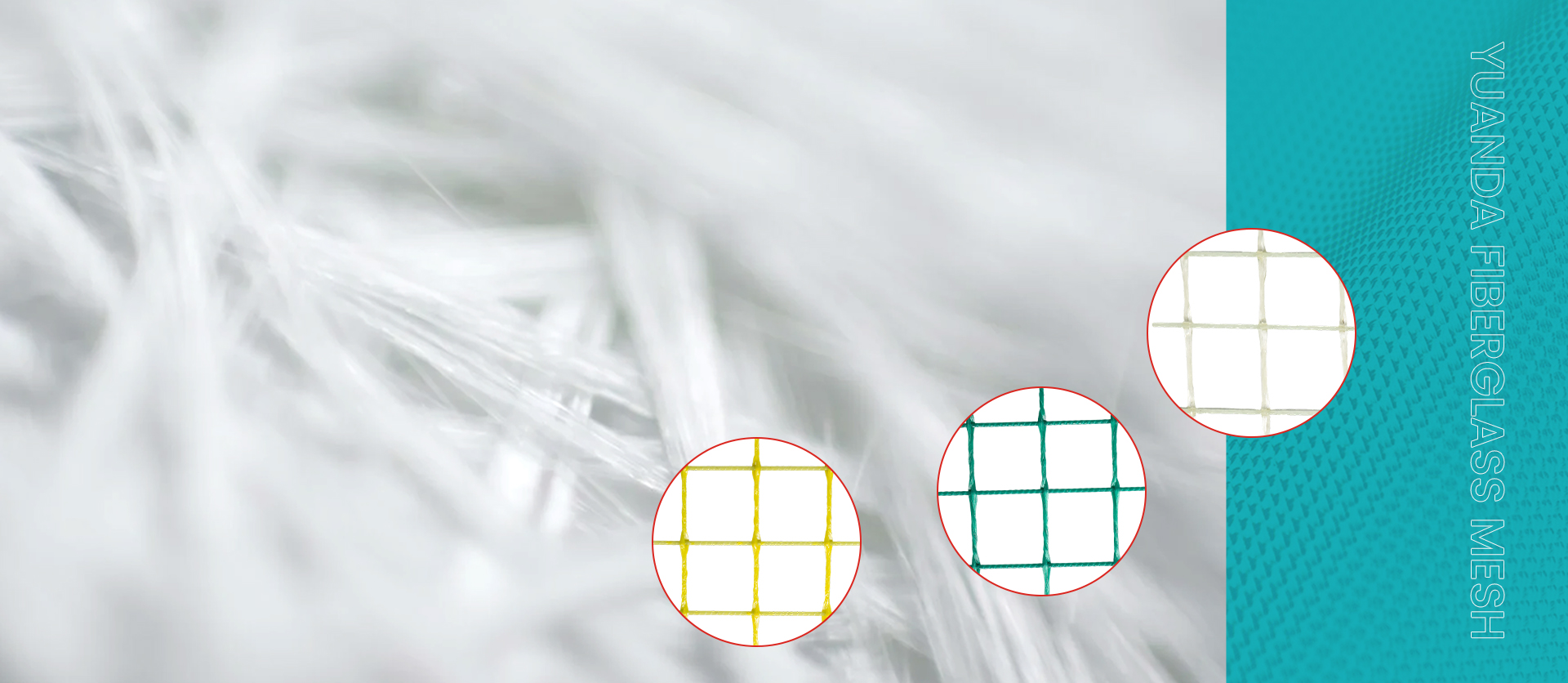
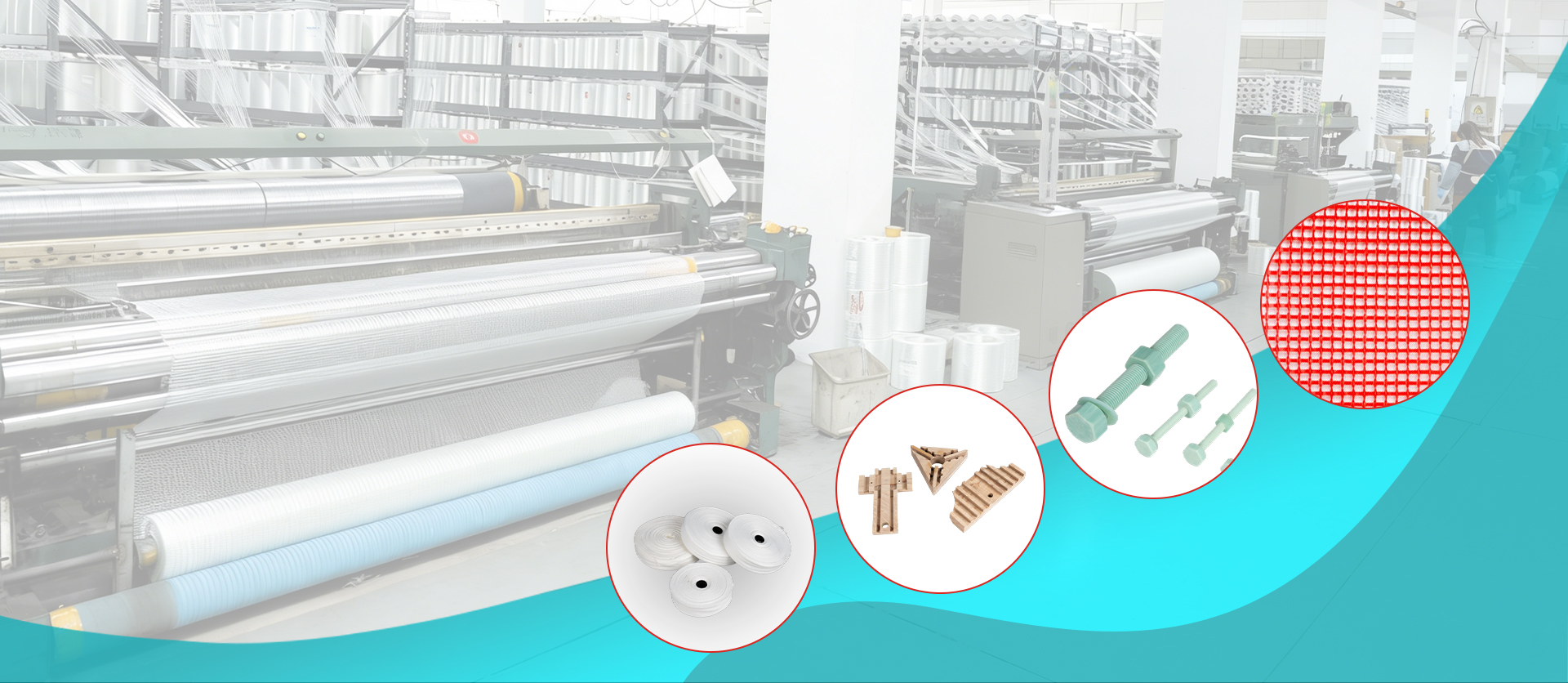


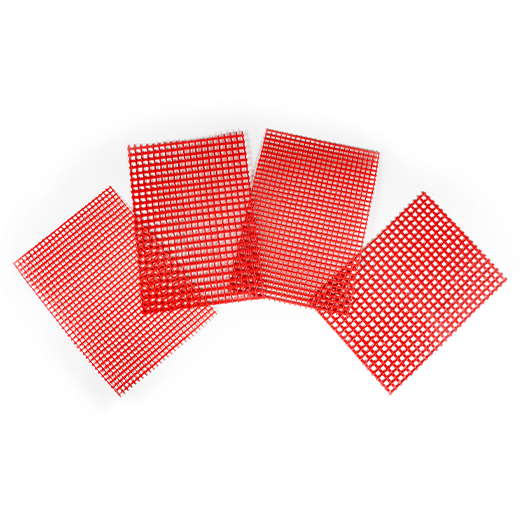
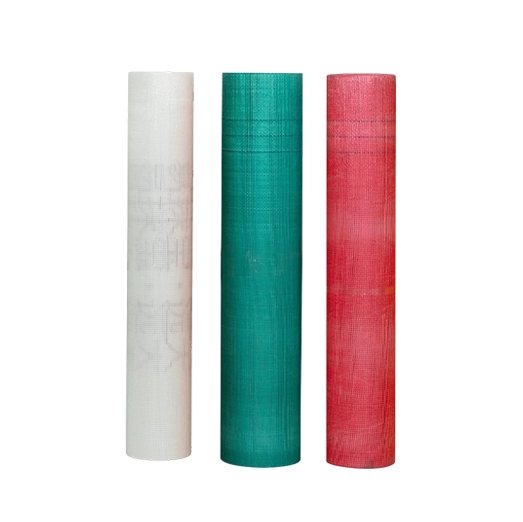
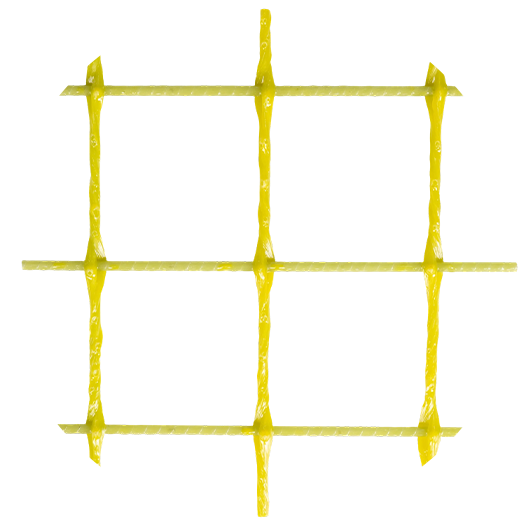


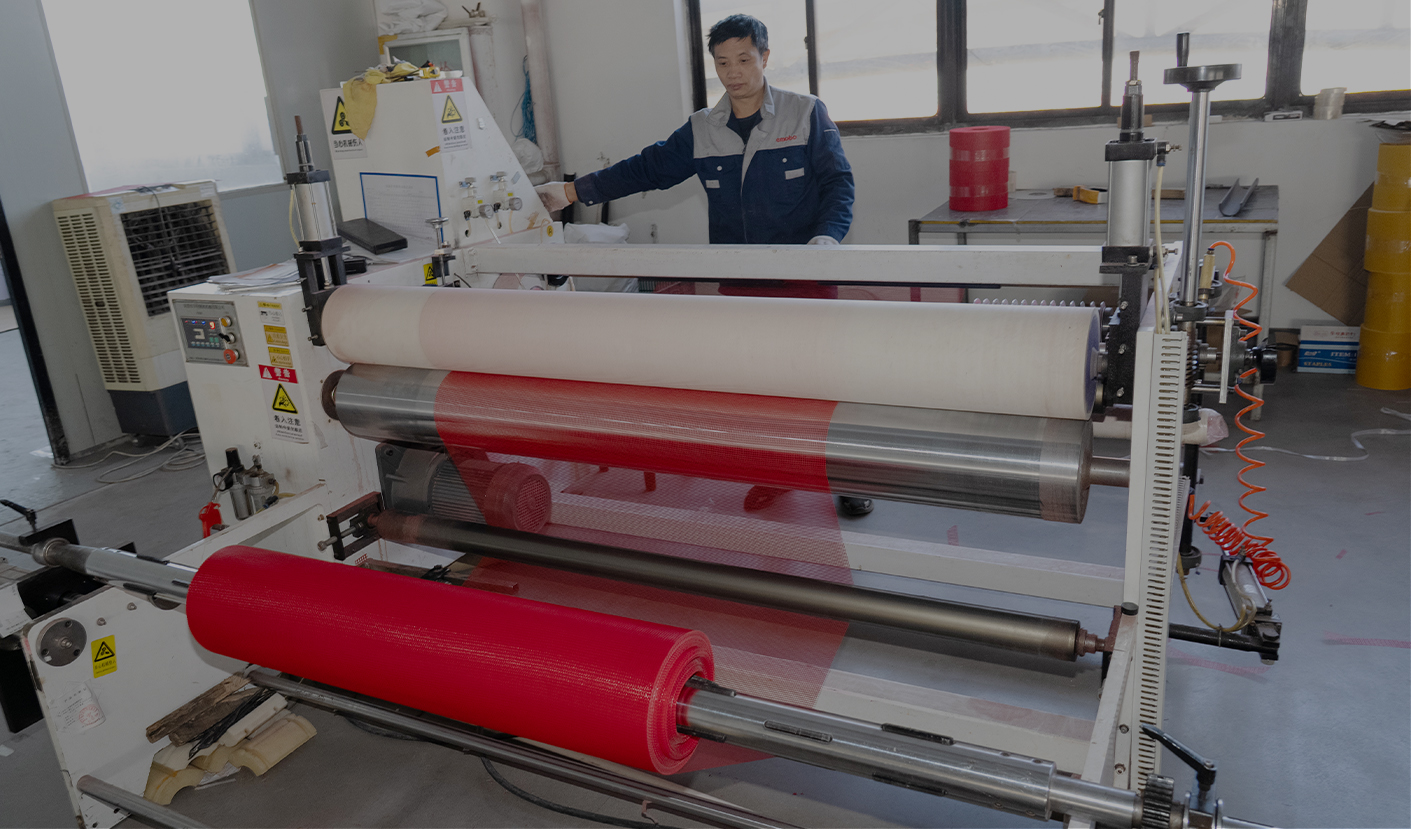
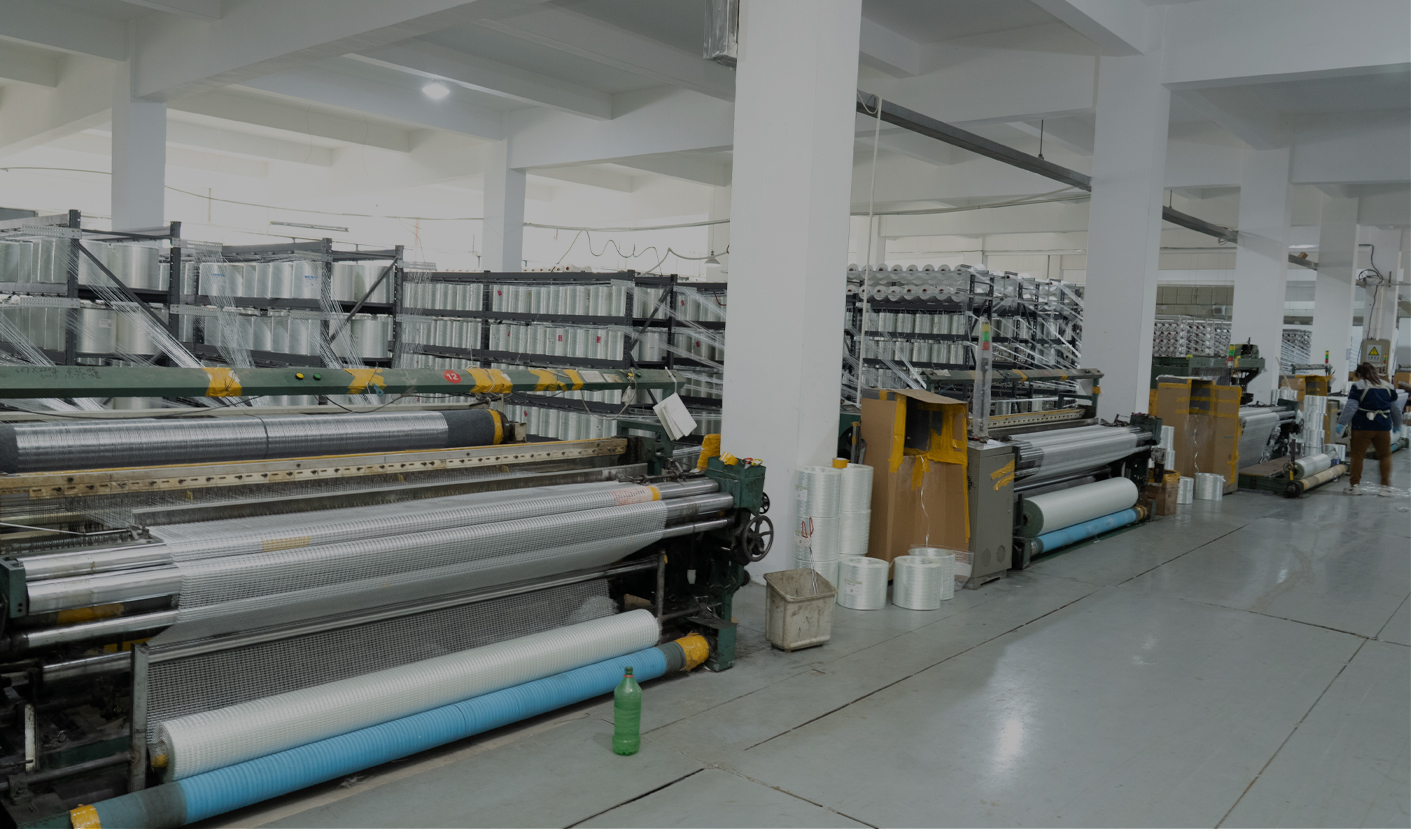
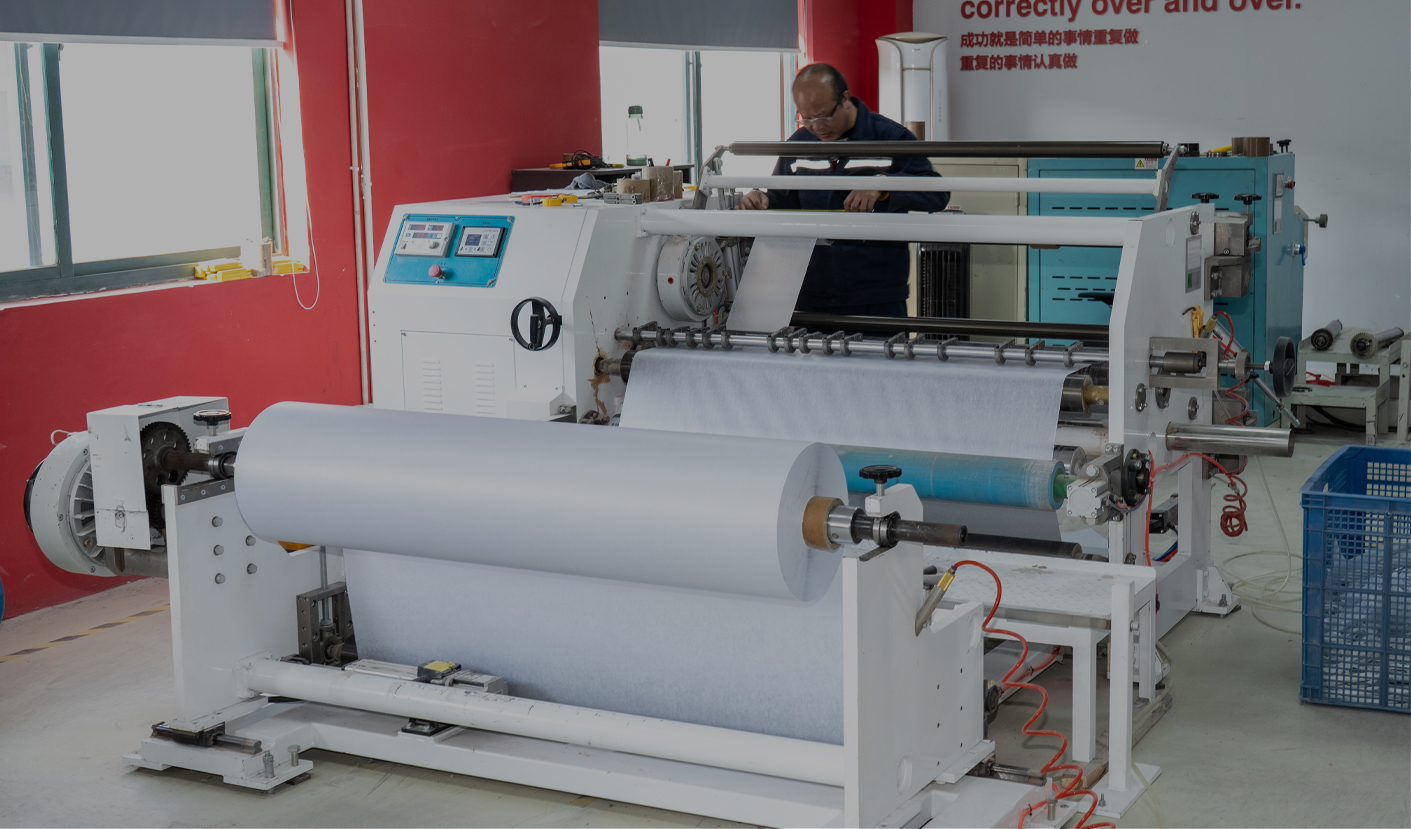
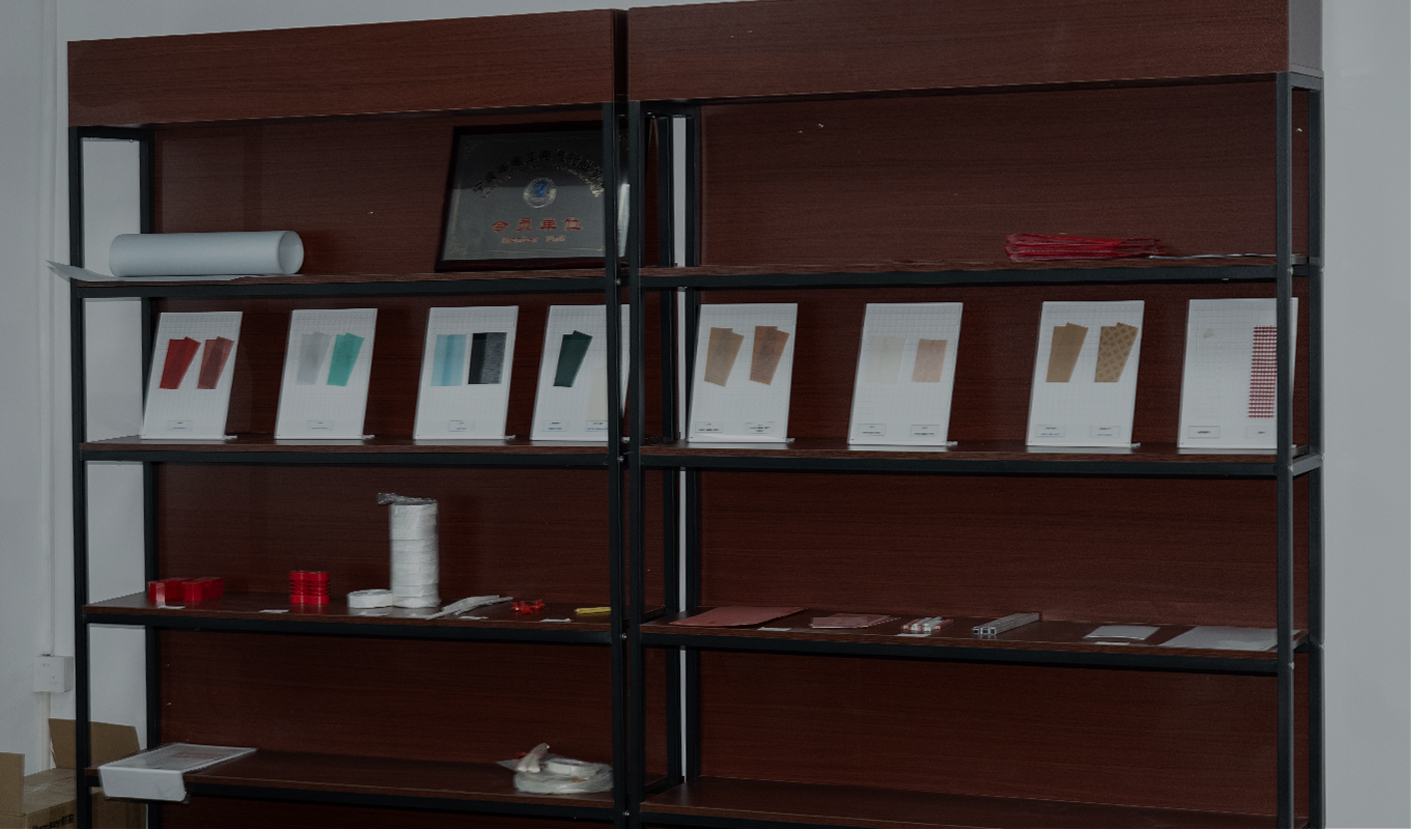







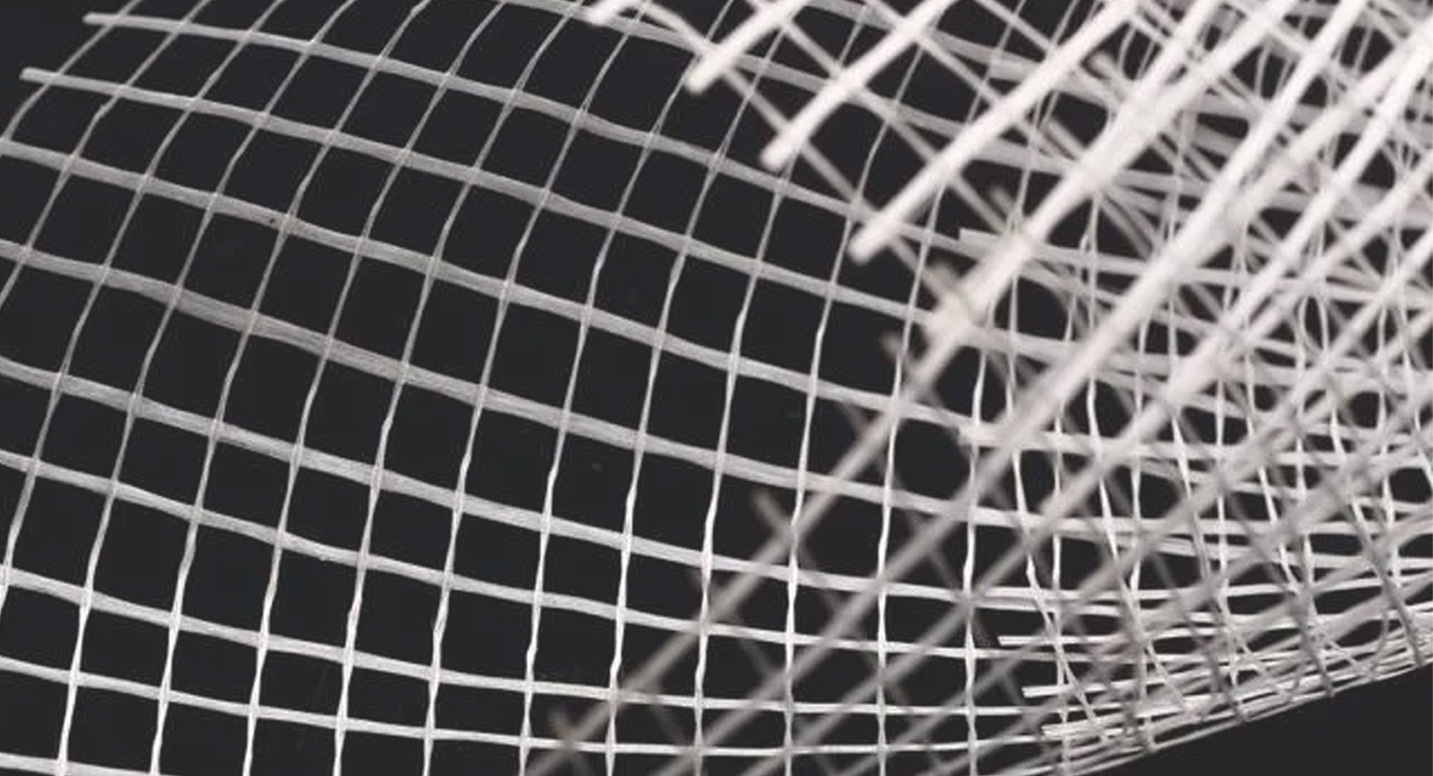
 No. 60, Carretera Este de Yiwu, Parque Industrial Wufu, Pueblo de Yiting, Ciudad de Shangyu, Provincia de Zhejiang, China
 +86 13606593503
 +86-575-82419001
 sales@yuandafiberglass.com

 English
 中文简体
中文简体 Español